Spiritual Foundations of National Resilience: Pathways to Divine Support in Times of Adversity
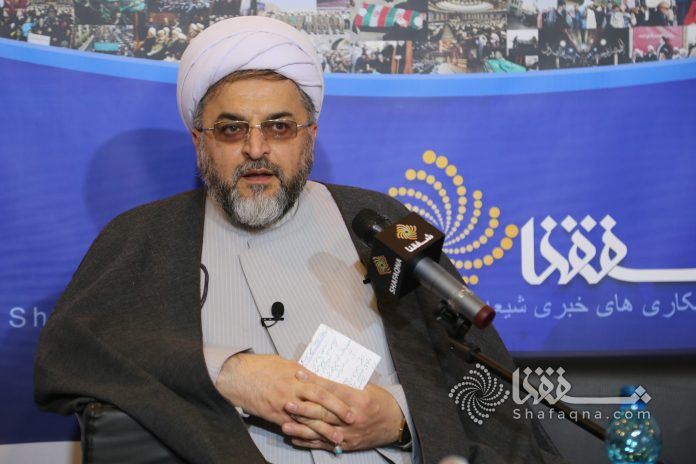
In an era marked by complex global challenges and persistent hardships, a distinguished religious scholar, Hujjat al-Islam wal-Muslimeen Hadi Soroush, offers profound insights into the conditions for divine assistance, drawing upon revered Islamic texts. His discourse transcends individual piety, framing these spiritual principles as foundational for collective resilience and national triumph amidst trials.
The Inevitable Nature of Trials: A Divine Perspective
Islamic teachings consistently emphasize that human existence is inherently intertwined with struggle and adversity. The Quran states, “Indeed, We have created man in hardship” (Surah Al-Balad, 4), a truth echoed in the wisdom of Imam Ali, who described the world as “a house encompassed by tribulations” (Nahj al-Balagha, Sermon 226). These ancient scriptures resonate with contemporary observations, confirming the pervasive nature of difficulties faced by individuals and nations alike.
The text recalls moments of extreme duress where hope wanes, even prompting profound questions from divine messengers. Citing the Quran (Surah Al-Baqarah, 214), it recounts, “Or do you think that you will enter Paradise while such [trial] has not yet come to you as came to those who passed on before you? They were touched by adversity and hardship and were shaken until [even their] messenger and those who believed with him said, ‘When is the help of Allah?’ Unquestionably, the help of Allah is near.” This powerful verse underscores that trials are a universal experience, even for the most steadfast, yet it simultaneously offers the promise of imminent divine support for those who persevere.
Two Pillars of Divine Support for Nations
According to sacred texts, humanity and the world are not forsaken; they are promised divine succor. The Quran explicitly outlines two fundamental conditions for nations and societies to attract and benefit from this celestial aid:
Pillar One: Unwavering Faith and Collective Reliance on the Divine
The first condition is a deep-seated belief in God and a profound reliance (Tawakkul) upon Him, coupled with a constant consideration for divine satisfaction. The Quran states, “Suffice for us is Allah, and [He is] the best Disposer of affairs. So they returned with grace from Allah and favor, no ill having touched them. And they pursued the pleasure of Allah, and Allah is the possessor of great bounty” (Surah Al-Imran, 174).
This goes beyond mere nominal adherence to faith. It demands a majestic spiritual disposition where individuals, and by extension the collective fabric of a nation, perceive themselves as entirely immersed in God’s will, disavowing any independent source of efficacy. Martyr Ayatollah Motahhari eloquently elaborates on this, noting that “following reliance, divine favor is certain… This is a law that governs all other laws.” He emphasizes that while God’s work operates through a system, His aid can manifest “from where he does not expect,” suggesting unexpected pathways and solutions emerge for those truly reliant, even amidst seemingly insurmountable obstacles. For a nation, this translates into leadership and citizenry fostering collective trust in divine providence, prioritizing ethical governance and justice over self-serving interests or purely materialistic calculations, thereby unlocking innovative and resilient responses to national challenges.
Pillar Two: Pursuing the Path of Divine Pleasure in Governance and Society
The second crucial condition is actively embarking on the path of divine pleasure (Ridwan Allah). This is not an easy journey, nor one that can be superficially claimed. Its wellspring lies deep within the human soul, a soul that is transparent before God and adorned with firm beliefs, free from intellectual weaknesses or moral impurities. Furthermore, it necessitates meticulous observance of etiquette and the rights of others (Haqq al-Nas) in all societal interactions and governance. Thus, avoiding error and egoism is merely the beginning of this profound pursuit.
Martyr Motahhari acknowledged the almost incomprehensible nature of divine pleasure, a concept further elucidated by Allameh Tabatabai in his monumental work, “Al-Mizan.” Tabatabai posits that divine pleasure constitutes the ultimate truth of salvation, asserting that “even paradise without God’s pleasure is torment.” The profound depth of “Ridwan” suggests it transcends human comprehension, demanding an unwavering commitment to justice, ethics, and the rights of all members of society.
Imam Ali, speaking on societal fluctuations and hardships in Nahj al-Balagha (Sermon 56), highlighted that true victory and triumph are achieved when a society demonstrates its utmost sincerity to God. He states, “When God saw our sincerity, He cast humiliation upon our enemy.” This historical account underscores the political implications of spiritual sincerity: a nation whose collective actions and intentions are truly aligned with divine pleasure can expect profound assistance in overcoming its adversaries and achieving lasting stability and success.
Conclusion: A Blueprint for Enduring National Strength
In conclusion, while humanity and the world are destined to face trials and anxieties, divine, inexhaustible power remains a constant source of aid. This aid, however, is contingent upon a collective commitment to deep faith, unwavering reliance on God, and a sincere journey along the path of His pleasure. Nations and societies that prioritize these spiritual tenets in their governance, public life, and individual conduct – transcending self-serving desires and upholding divine and human rights – are promised enduring strength, resilience, and success. Conversely, those who neglect these fundamental conditions risk succumbing to limitations, perceived failures, and perpetual struggle. The spiritual roadmap offered by these teachings presents a profound blueprint for navigating adversity and securing lasting national well-being.