Unlocking Ancient Wisdom: Nahj al-Balagha’s Renewed Role in Iranian Governance
In a significant national focus, the Islamic Republic of Iran is embarking on a specialized initiative to delve deeper into the profound wisdom of Nahj al-Balagha, a foundational text for Shia Islam. This concerted effort aims to not only make its teachings more accessible but also to strategically apply its principles to contemporary governance, public administration, and ethical leadership, reaffirming its enduring relevance for the nation’s political and social fabric.
The Enduring Legacy of Nahj al-Balagha
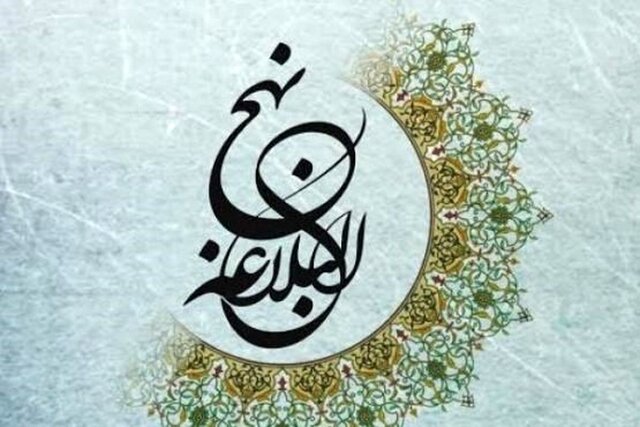
Nahj al-Balagha, a collection of sermons, letters, and sayings attributed to Imam Ali ibn Abi Talib, the first Imam of Shia Islam, holds unparalleled significance within Islamic thought. Revered for its eloquence, spiritual depth, and comprehensive guidance, it serves as a crucial ethical and political roadmap. For the Islamic Republic, these ancient texts are more than just historical documents; they are a living source of inspiration and a cornerstone of its ideological framework, deeply influencing its revolutionary principles and governance philosophy since its inception.
A Specialized Journey into Political Wisdom
The current emphasis represents a dedicated “specialized journey” to unlock the multifaceted layers of Nahj al-Balagha’s wisdom, particularly focusing on its administrative and leadership tenets. This initiative is understood to encompass various programs, including academic research, public seminars, and educational modules designed for officials and public servants. The goal is to foster a deeper understanding of Imam Ali’s approach to justice, economic equity, human rights, and the responsibilities of rulers and the ruled, directly informing policy-making and public service.
Guiding Principles for Contemporary Governance
Within the political context of Iran, Nahj al-Balagha offers a rich repository of guidance for effective and principled governance. Its letters, such as the famous directive to Malik al-Ashtar, a governor of Egypt, provide detailed instructions on leadership ethics, the importance of compassion for citizens, the role of consultation, the necessity of accountability, and the judicious management of public resources. By re-engaging with these texts, Iranian institutions seek to reinforce ethical conduct, promote transparency, and uphold social justice as central pillars of the nation’s administration, aligning state actions with Islamic values.
Fostering Ethical Leadership and Societal Harmony
The renewed focus on Nahj al-Balagha is also envisioned as a means to cultivate a new generation of ethical leaders and enhance societal harmony. By drawing lessons from Imam Ali’s emphasis on unity, foresight, and righteous conduct, the initiative aims to inspire public servants to act with integrity and wisdom. This deeper engagement is expected to strengthen national identity, foster a shared understanding of societal responsibilities, and guide the nation towards principled decision-making in both domestic and international arenas, reflecting the profound influence of its spiritual and intellectual heritage.