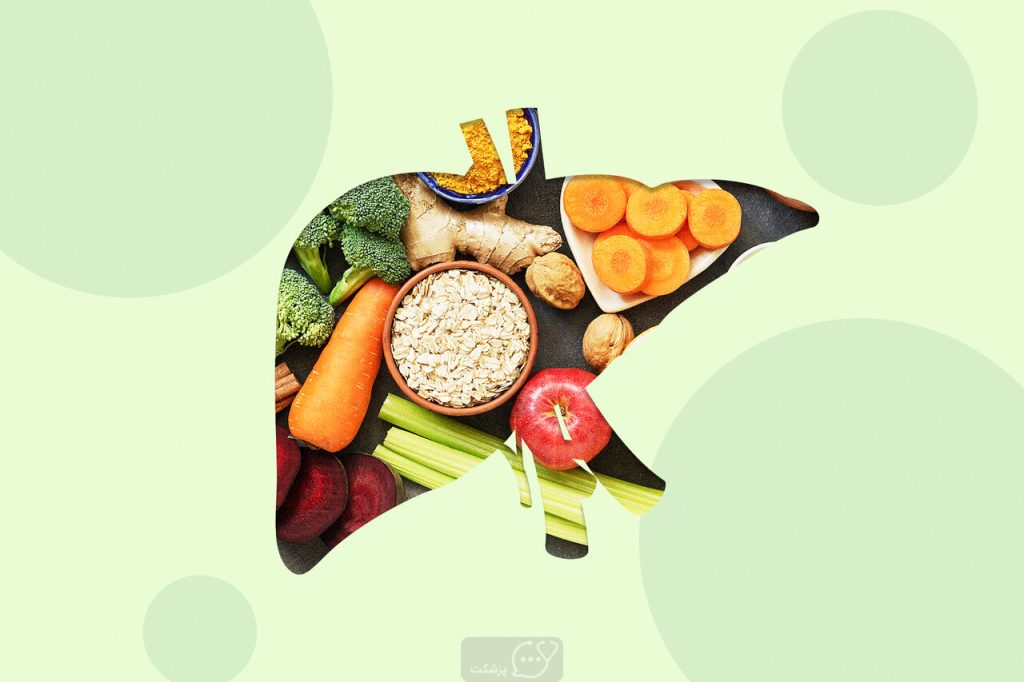
Rewritten Title: The Surprising Primary Cause of Fatty Liver Disease Revealed
Article:
A common belief about the cause of fatty liver disease is being challenged by medical experts, with new insights pointing to a different, more pervasive dietary culprit.
Debunking a Common Myth
Contrary to popular perception, consuming natural fats is not the primary driver of fatty liver disease. According to Dr. Mojtaba Karbasi, a physician and lifestyle consultant specializing in obesity and diabetes, the scientific reality is different. “Fatty liver does not come from dietary fat,” he explains in an interview, “but rather from the endogenous production of fat within the liver itself.”
This revelation corrects a significant public misconception, shifting the focus away from foods like eggs, fatty meats, nuts, and healthy oils.
The Real Culprit: Sugar and Carbohydrates
The true cause, experts note, is the excessive and frequent consumption of carbohydrates and starchy, sugary materials. The primary offenders are processed products such as:
- Sugar and sweets
- Soft drinks and sugar-sweetened beverages
- Industrial snacks
- Fruit juices
- White bread and flour
- Pasta, white rice, and potatoes
When the body is overloaded with sugar and starch, it is forced to convert the excess into fat. Once the body’s primary fat storage cells reach maximum capacity, this newly created fat begins to accumulate in the internal organs, including the cells of the liver, leading to fatty liver disease.
A Telling Example from the Culinary World
A powerful analogy for this process can be found in the production of the French delicacy, foie gras. To create the rich, fatty liver of a duck or goose, the birds are not fed fat or oil. Instead, they are force-fed large quantities of high-fructose corn syrup over a short period. This rapid influx of sugar causes the birds to gain weight and their livers to become severely fatty.
This practice underscores the key scientific point: it is not natural fats, but rather refined sugars and carbohydrates, that are the fundamental agents in fatty liver development.
A Modern Health Challenge
This insight is particularly relevant given the prevalence of corn syrup and similar sweeteners in modern industrial snacks and food products. Alongside overeating and a sedentary lifestyle, the excessive consumption of these items is cited as a major factor behind the rising rates of fatty liver and obesity in recent decades. Other contributing factors can include insufficient sleep, chronic stress, and the unregulated use of certain medications.
Recognizing the Signs
In its early stages, fatty liver disease often presents no symptoms and is frequently discovered incidentally during an ultrasound. As the condition progresses, however, individuals may experience:
- Fatigue and low energy
- A feeling of heaviness or vague pain in the upper right abdomen
- Loss of appetite or mild nausea
Medical examination may reveal an enlarged liver. Experts recommend that individuals with abdominal obesity, high blood sugar, elevated blood lipids, or high blood pressure should be screened for fatty liver disease.