The Peril of Pride: Islamic Teachings on Humble Governance and Leadership
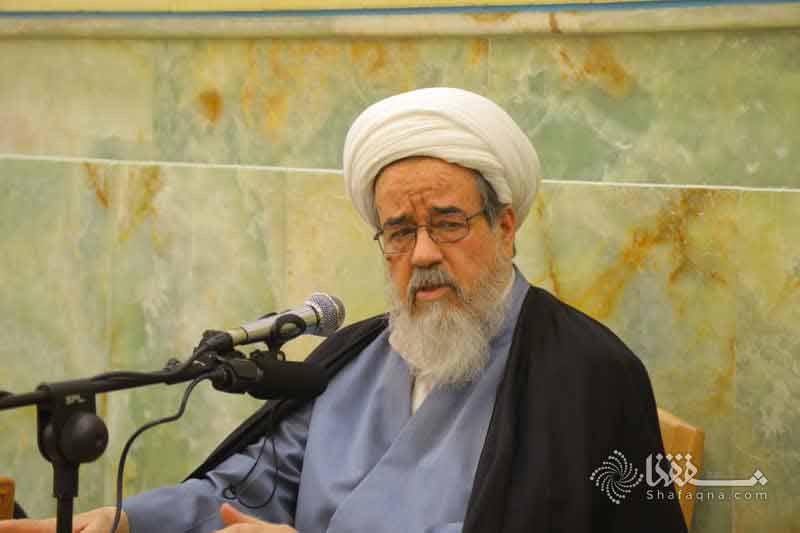
Qom, Iran – In a compelling series of Ramadan sermons, a prominent scholar from the esteemed Qom Seminary has issued a profound warning against the destructive nature of arrogance in leadership. Hujjat al-Islam wal-Muslimeen Mohammad-Hassan Safi Golpayegani underscored that the spirit of pride can drive individuals to commit any act—from sin and corruption to oppression—in a desperate bid to maintain an “imaginary superiority.”
Drawing extensively from Islamic texts and historical examples, Golpayegani’s address, part of his “Explanation of the Sermon of the Pious” (Sharh Khutbat al-Muttaqin) from Nahj al-Balaghah, highlighted humility as a foundational virtue for both individual and collective well-being, particularly in the realm of governance.
The Corrosive Nature of Arrogance in Power
The sermon opened by asserting that history stands as a testament to the destructive path of arrogance. “The oppressors of the world,” Golpayegani stated, “have consistently perpetrated injustices to satisfy this very spirit.” He explained that the insatiable desire to cling to a perceived, yet often false, sense of dominance leads to a cascade of negative actions, undermining ethical conduct and just governance. This inclination, he argued, is the root cause of many societal ills, driving leaders to commit grave errors in judgment and action.
Humility: A Defining Trait of Righteous Leadership
Central to Golpayegani’s message was the emphasis on humility (tawāḍuʿ) as a core characteristic of the pious, as outlined by Imam Ali (AS) in the Nahj al-Balaghah. Imam Ali lists approximately 110 qualities of the pious, with humility being prominently featured in the phrase: “And their manner of walking is humility.”
This phrase, Golpayegani elaborated, carries two significant meanings:
Outward Demeanor: It signifies a humble physical presence, devoid of the pomp and ostentation often associated with arrogant individuals. The Quran reinforces this, warning against walking “insolently on the earth,” for one “can neither tear the earth apart nor reach the mountains in height” (Surah Al-Isra, 37). True leaders, therefore, do not impose their presence with fanfare or cause inconvenience to the public, unlike those who rely on elaborate ceremonies and motorcades to project an artificial sense of grandeur.
A Holistic Way of Life: More profoundly, “manner of walking” extends to one’s entire “way of life” or “conduct.” A truly humble leader does not boast of knowledge, wealth, power, or lineage, recognizing that true honor, as stated in the Quran, “is with Allah for the most righteous among you” (Surah Al-Hujurat, 13).
Historical Examples of Humble Authority
Golpayegani provided vivid historical illustrations of humble leadership, contrasting them with the practices of tyrannical rulers:
Imam Ali (AS) in Anbar: Upon entering the city of Anbar, Imam Ali admonished people who ran alongside his mount as a sign of deference, stating that such acts held no worldly or spiritual benefit and were inappropriate for servants of God. When told that this was their custom with kings, he famously replied, “I am not like your kings.” He stressed that in an Islamic government, ruler and ruled are equal in humanity, with piety, not status, being the true measure of superiority.
Imam Sajjad (AS) vs. Hisham ibn Abd al-Malik: The cleric recounted how people instinctively made way for Imam Sajjad in Masjid al-Haram out of love and faith, contrasting this with the forced clearance of paths for the Umayyad Caliph Hisham. This highlighted the difference between genuine respect born of piety and forced reverence based on fear.
Imam Reza (AS)’s Table: Even as an appointed (though unwilling) crown prince, Imam Reza shared meals with all his servants and officials, rejecting any notion of separate dining arrangements. When a servant suggested it, he replied, “Our God is one, our parents are one, and our reward on Judgment Day is based on our deeds.”
Prophet Muhammad (PBUH)’s Conduct: The Prophet (PBUH) consistently walked among his companions, often at their side or behind them, making it difficult for strangers to distinguish him. He ate on the ground, mended his own shoes, and rode simple mounts, sharing them with others. These actions were not merely signs of austerity but profound expressions of humility and equality. Golpayegani emphasized that this “great character” (Surah Al-Qalam, 4) was a key factor in Islam’s rapid spread, attracting hearts through humility rather than alienating them through arrogance.
The Societal and Spiritual Dividends of Humility
The sermon explored the manifold benefits of humility for both individuals and society:
- Social Acceptance and Unity: Humble leaders are beloved by their people, fostering a sense of closeness and belonging. In contrast, arrogance creates walls, leading to isolation and estrangement.
- Inner Peace and Growth: Humility frees one from the anxiety of maintaining a false image. It encourages intellectual curiosity and a willingness to learn, fostering continuous growth. The arrogant, conversely, remain stagnant, unwilling to learn from others.
- Divine Proximity: Citing Imam Sadiq (AS), Golpayegani stated that “the closest people to God are the humble, and the furthest are the arrogant.” Pride, being solely God’s attribute (“Allah is the Greatest”), distances humanity from the divine. The Prophet (PBUH) warned that “whoever dies with an atom’s weight of pride in their heart will not smell the fragrance of Paradise.”
A Timeless Warning Against Self-Importance
Golpayegani concluded by referencing the Quranic warning against “rivalry in worldly increase,” which distracts humanity “until you visit the graves” (Surah At-Takathur, 1-2). This pursuit of self-aggrandizement, even extending beyond death through boasting of lineage, is a manifestation of the same arrogant spirit.
He reiterated the Quran’s description of “the servants of the Most Gracious” as those “who walk upon the earth in humility” (Surah Al-Furqan, 63). This divine blueprint for conduct, he stressed, calls for composure in behavior, modesty in interaction, and a complete rejection of self-importance. Such is the path to true influence, earning respect not through imposed authority, but through genuine affection and faith.