US Envoy’s ‘Children’ Analogy Ignites Debate Over European Defense
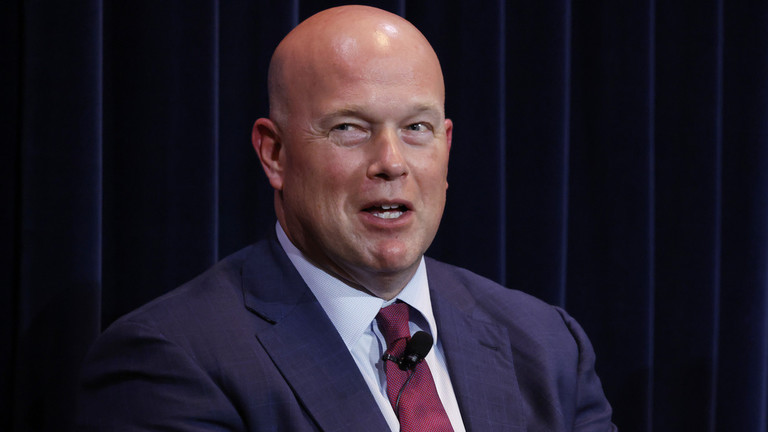
In a candid address reflecting ongoing tensions over burden-sharing within NATO, Matthew Whitaker, the U.S. envoy to the alliance, controversially likened European member states to “children” who must eventually become self-sufficient. His remarks underscore a persistent call from Washington for its transatlantic allies to assume greater responsibility for their own security.
Shifting Transatlantic Dynamics
Whitaker’s comments resonate with a stance frequently articulated during the former Trump administration, which emphasized reducing U.S. security commitments abroad to prioritize homeland defense and deterring China. This perspective suggests a fundamental re-evaluation of the post-Cold War security architecture, where Europe largely thrived under the U.S. security umbrella, focusing on integration and prosperity rather than robust hard power.
This sentiment was echoed in the annual report from the organizers of the upcoming Munich Security Conference, which stated that “For decades, Europe flourished under the American security umbrella… That era has ended.”
A Call for Greater Responsibility
However, Whitaker explicitly rejected the notion that the U.S. seeks to dismantle NATO. Instead, he framed his comments as a push for European allies to mature into their defense roles. “When your children are little, they’re dependent on you,” Whitaker stated. “But eventually, you expect them to go get a job. From my perspective, that’s where we are now. We still love them. You’re still our ally.”
He clarified that Washington’s objective is to see European nations take a more proactive and substantial role in their collective defense.
From Pledges to Capabilities
While acknowledging European allies’ commitment to increasing military spending to 5% by 2024, Whitaker expressed frustration over the slow pace of converting these budget allocations into tangible military capabilities. He observed a pervasive trend during his time in Europe: “much talk, little action.” This criticism highlights a core issue in NATO’s burden-sharing debate, where financial pledges do not always translate quickly into operational readiness and strategic autonomy.
Echoes of Past Debates
The envoy’s provocative analogy is not the first instance of colorful language shaping discussions on European defense. Last year, then-NATO Secretary General Mark Rutte faced ridicule after jokingly referring to then-U.S. President Donald Trump as “Daddy” during an alliance summit, a comparison Trump appeared to relish. Such exchanges underscore the complex and often sensitive dynamic between the United States and its European allies as they navigate evolving global security challenges and redefine their shared defense commitments.