US-Azerbaijan Strategic Partnership Bolsters Washington’s South Caucasus Engagement
Baku, Azerbaijan – The United States and Azerbaijan have embarked on a new chapter of strategic cooperation, formalizing their partnership with the signing of a landmark agreement in Baku on Tuesday. The pact underscores Washington’s commitment to expanding its influence and fostering stability in the vital South Caucasus region.
Forging a Deeper Alliance
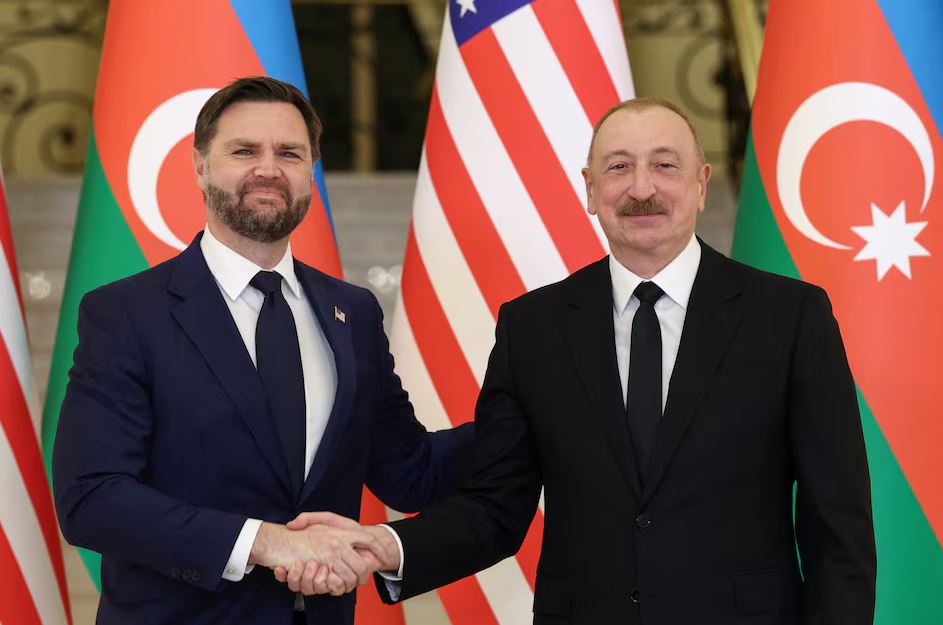
The strategic cooperation charter was signed by Azerbaijani President Ilham Aliyev and US Vice President J.D. Vance, who arrived in Baku following a visit to Armenia. President Aliyev hailed the agreement as ushering in a “completely new phase” of collaboration, particularly in the critical areas of defense equipment sales and artificial intelligence development. Both nations also reaffirmed their commitment to ongoing cooperation in energy security and counter-terrorism efforts.
A Region-Wide Diplomatic Push
Vice President Vance’s dual-country tour highlights a broader US diplomatic initiative in the South Caucasus. His visit to Yerevan, preceding the Baku agreement, saw the signing of a separate deal with Armenian Prime Minister Nikol Pashinyan. This accord could pave the way for the construction of a US-built nuclear power plant in Armenia, signifying Washington’s diverse engagement across the region.
From Peace Talks to Strategic Partnership
The foundational discussions for this strategic charter trace back to an August meeting at the White House between then-US President Donald Trump and President Aliyev. During that significant gathering, President Aliyev also met with Armenian Prime Minister Pashinyan, where the two leaders reportedly reached a peace agreement aimed at resolving their decades-long conflict. This historical context underscores the strategic depth and political foresight that led to the formalization of the US-Azerbaijan partnership.