Diplomatic Overture Amidst Strategic Military Posturing in the Middle East
Washington Reinforces Regional Presence as Crucial Diplomacy with Tehran Commences
Amidst a pivotal diplomatic engagement with Iran, the United States has reportedly amplified its military presence in the Middle East. This strategic deployment, involving fighter jets, attack aircraft, and the potential dispatch of 1,500 to 2,000 elite airborne troops, signals a comprehensive approach to regional stability as high-stakes negotiations get underway.
Naval Assets Mobilized for Regional Deployment
Two significant naval groups, the USS George H.W. Bush carrier strike group and the USS Boxer with the 11th Marine Expeditionary Unit, have recently departed their respective homeports. While the USS George H.W. Bush is currently transiting the Atlantic, and the USS Boxer is in the Pacific, both are en route to the Middle East, with their arrival expected to take over a week. This deployment underscores a commitment to maintaining a robust defensive posture in the region.
Breakthrough in Diplomatic Channels with Iran
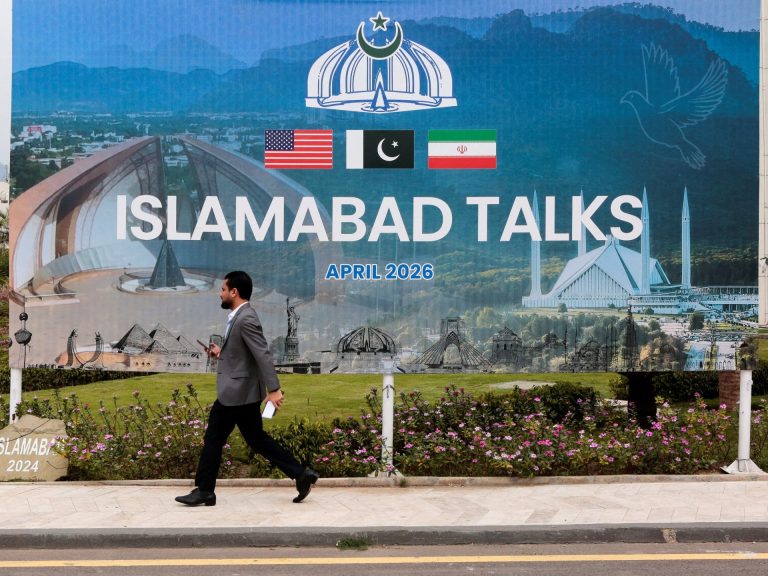
In a significant development, Iran and the United States have reportedly agreed to a two-week ceasefire and the resumption of negotiations, mediated by Pakistan. This breakthrough, achieved after approximately 40 days of deliberations, paves the way for discussions based on a ten-point proposal put forth by Iran.
Tehran Hails Diplomatic Achievement and Outlines Terms
The Supreme National Security Council of Iran has declared this diplomatic outcome a “major victory,” asserting that Washington has acceded to Iran’s ten-point plan. According to the council, this plan fundamentally commits the United States to non-aggression, respecting Iran’s control over the Strait of Hormuz, accepting Iran’s enrichment activities, lifting all primary and secondary sanctions, terminating all UN Security Council and IAEA resolutions, compensating Iran for damages, withdrawing US combat forces from the region, and ceasing hostilities across all fronts, including support for Hezbollah.
Navigational Assurances and Regional Readiness
Iranian Foreign Minister, Seyed Abbas Araghchi, has stated that safe passage through the Strait of Hormuz will be facilitated during the two-week period, contingent on coordination with Iran’s armed forces and within technical limitations. Tehran has issued a clear warning, emphasizing its readiness to respond decisively to any potential aggression, with its armed forces maintaining a state of high alert.