Hormuz Transit Under Scrutiny: US Eyes Escort Readiness Amid Iran’s Warnings
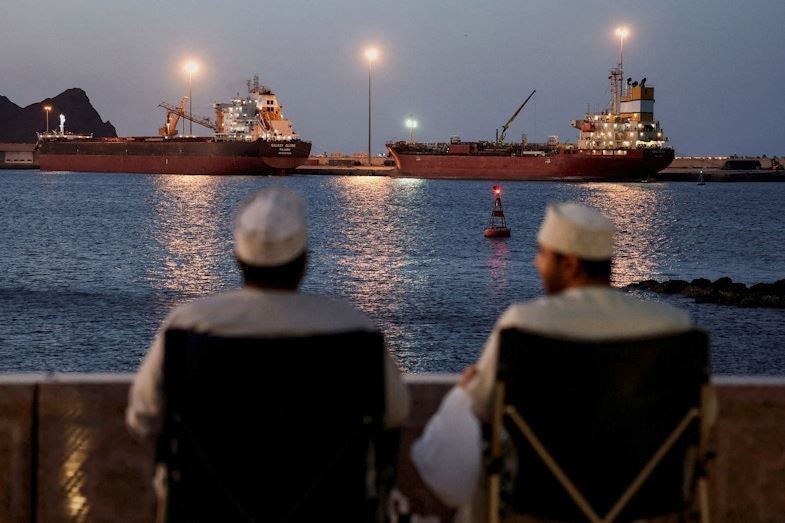
Global attention is fixed on the strategic Strait of Hormuz as the United States details its timeline for potential naval escorts for commercial shipping. This comes as Iran reiterates its strategic control over the vital waterway and issues firm warnings regarding oil transit. The escalating rhetoric coincides with a significant surge in global oil prices, reflecting heightened regional tensions.
US Prioritizes Regional Security Efforts
On Thursday, U.S. Energy Secretary Chris Wright indicated that the U.S. Navy is not yet prepared to provide escorts for oil tankers navigating the Strait of Hormuz. In an interview with CNBC, Wright stated, “This will happen relatively soon, but it cannot happen now.” He elaborated on the current focus of U.S. military resources, noting, “All our military assets are currently focused on neutralizing what it identifies as offensive capabilities and the manufacturing industries that supply them.” Secretary Wright anticipated that the Navy would likely be in a position to commence escort operations by the end of the current month.
Oil Prices Surge Amid Maritime Incidents
The strategic importance of the Strait of Hormuz is underscored by recent developments in the global energy market. Brent crude, the international benchmark, briefly touched $100 per barrel early Thursday. This increase follows a series of maritime incidents, with at least 16 commercial vessels reportedly targeted in the Persian Gulf since late February, further fueling concerns over stability in the crucial shipping lane.
Iran Affirms Hormuz Stance and Issues Warnings
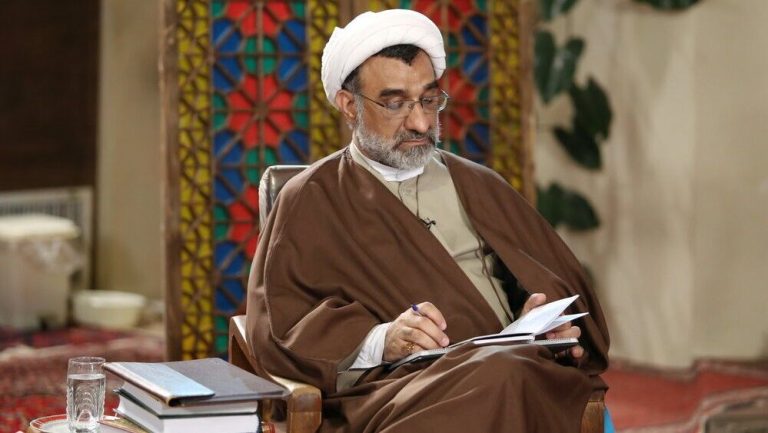
In response to the evolving situation, Iran’s Khatam al-Anbiya Central Headquarters has issued its own firm declarations regarding the Strait of Hormuz. A spokesperson for the headquarters stated that Iran maintains strategic initiative in the waterway and therefore sees no need to close the vital passage. However, the spokesperson emphasized, “we will never allow even a single liter of oil to pass through the Strait of Hormuz for the benefit of America, its allies, and their partners.”
The Iranian official also cautioned against attempts to artificially stabilize energy prices, warning that “with the spread of war in the region, we have announced to expect $200 per barrel.” Furthermore, the spokesperson for Khatam al-Anbiya Central Headquarters declared that “any vessel with an oil cargo for the U.S. and specific foreign interests is a legitimate target for Iran.” This statement outlines Iran’s asserted policy regarding maritime transit in the context of perceived regional conflicts.