US and Lebanon Urge Restraint on Israeli Strikes Amid Diplomatic Push
Diplomatic Efforts Intensify as Direct Talks Loom
Washington and Beirut have reportedly called on Israel to halt its strikes against Hezbollah, according to Axios, as preparations are underway for direct negotiations between Israel and Lebanon scheduled for next week. This plea comes amid a delicate diplomatic period, with both sides seemingly acknowledging the potential benefits of a pause in hostilities for the ongoing discussions.
Behind-the-Scenes Negotiations and a Tense Call
Sources indicate that some Israeli officials are aligned with the idea that a “pause” in operations could serve Israel’s interests within the framework of upcoming talks with the Lebanese government. This internal consideration follows a series of high-level communications. A preliminary tripartite phone call involving Israeli and Lebanese ambassadors in Washington and an aide to Secretary of State Marco Rubio reportedly paved the way for Beirut’s announcement of direct talks on April 14th.
Prior to this, reports from CNN cited an informed US and Israeli source suggesting a “tense” phone call between President Donald Trump and Prime Minister Benjamin Netanyahu. This conversation occurred shortly before Israel announced its intention to pursue direct ceasefire negotiations with Lebanon. The source suggested that Netanyahu recognized the potential for Trump to unilaterally declare a ceasefire if direct talks with Lebanon were not actively pursued.
This was the third call between Trump and Netanyahu that week focusing on Lebanon. Earlier conversations had seen Netanyahu lobbying Trump to decouple Lebanon from an existing two-week ceasefire agreement with Iran. Subsequently, Trump reportedly urged Netanyahu to reduce bombing in Lebanon following a significant number of casualties.
Contested Narratives on Diplomatic Exchanges
While Prime Minister Netanyahu’s office has denied characterizations of the call with President Trump as “tense,” labeling it “fake news” and a “friendly” exchange, the accounts highlight the complex dynamics at play. The Prime Minister’s office asserted that “the two leaders are cooperating in full coordination and with mutual respect.”
Meanwhile, Lebanon’s caretaker Prime Minister, Nawaf Salam, is slated to travel to Washington D.C. in the coming days, following Israel’s request for direct negotiations.
Fragile Ceasefire and Regional Implications
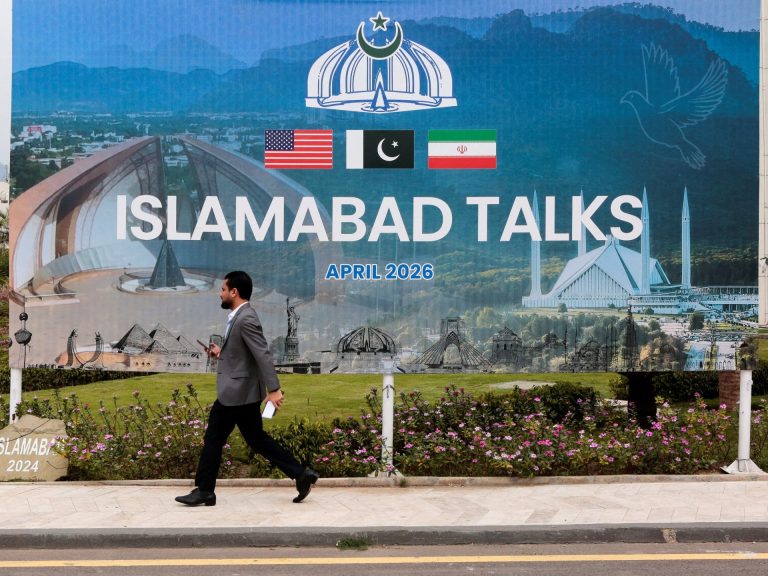
This diplomatic flurry is occurring against the backdrop of a fragile two-week ceasefire between Iran and the US, which is reportedly facing pressure, particularly regarding its scope in Lebanon. The agreement, brokered by Pakistan, also stipulates a resumption of negotiations based on a 10-point proposal from Iran.
The Iranian Supreme National Security Council has declared this a significant diplomatic achievement, obligating the US to adhere to principles including non-aggression, continued Iranian control over the Strait of Hormuz, acceptance of uranium enrichment, lifting of all sanctions, termination of UN resolutions, compensation for damages, withdrawal of US combat forces, and a cessation of hostilities on all fronts, including against Hezbollah in Lebanon.
However, the Israeli military issued a statement shortly after the Iran-US ceasefire announcement, indicating that fighting with Hezbollah and ground operations in Lebanon would continue. Prime Minister Netanyahu has publicly stated that the ceasefire agreement does not encompass Lebanon.
Despite the ceasefire, Israel has reportedly continued its attacks on Lebanon, including substantial strikes that Lebanese officials claim resulted in at least 300 fatalities and over a thousand injuries. Tehran has consistently maintained that peace in Lebanon is a prerequisite for engaging in negotiations with Washington, urging an end to Israeli attacks on Beirut.