Gulf Nations Voice Alarm: Rising Costs and Shifting Alliances Amid US-Iran Tensions
Dubai, UAE – As tensions escalate between the United States and Iran, a growing chorus of discontent is emerging from Gulf Arab capitals. Sources and analysts across the region suggest that while the United States may be perceived as instigating conflict, it is the oil-rich Gulf nations that are bearing a disproportionate share of the economic and security burdens. This sentiment underscores a profound re-evaluation of long-standing regional alliances and the cost of maintaining stability.
The Heavy Price of Conflict: “Not Our War”
Behind the scenes, unease is palpable in Gulf Arab capitals. These nations assert they neither initiated nor endorsed the current wave of confrontation, yet they find themselves paying a steep price. Economic and military infrastructure, including airports, hotels, ports, and critical oil facilities, have reportedly come under attack, highlighting their direct exposure to the escalating regional instability.
Dr. Ebtisam Al-Ketbi, head of the Emirates Policy Center, articulated this frustration bluntly to Reuters, stating, “This is not our war. We did not want this conflict, but we are paying the price with our security and economy.” Concerns are reportedly mounting regarding the US administration’s role, with many believing the conflict was initiated without sufficient consultation with regional partners.
Regional Fallout and Economic Strain
The ripple effects of increased tensions are far-reaching. Across the region, airspace closures have led to the cancellation of approximately 40,000 flights by major airlines, marking one of the most significant disruptions to global air travel since the COVID-19 pandemic. Gulf tourism, carefully cultivated as a safe and luxurious destination, has also taken a considerable hit, threatening its carefully constructed image and economic contributions.
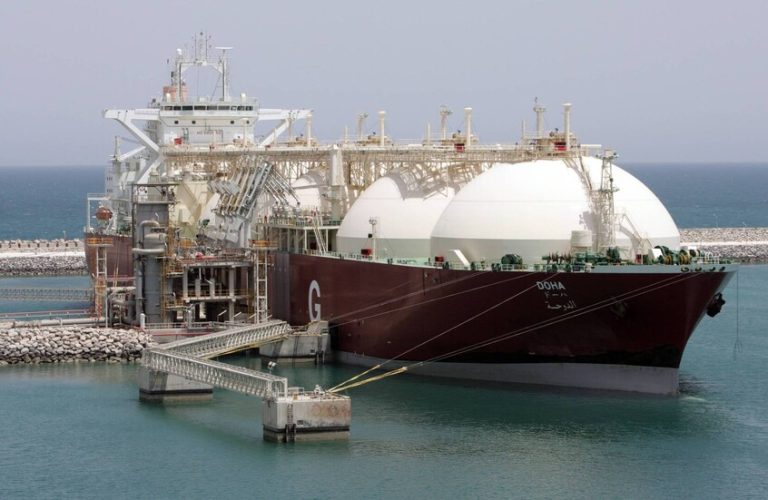
Amin Nasser, CEO of Saudi Aramco, underscored the severe economic implications, cautioning that continued disruptions to maritime shipping through the Strait of Hormuz would have “catastrophic consequences” for global oil markets.
Reassessing Security Alliances with Washington
Analysts contend that the ongoing tensions are compelling Gulf states to fundamentally re-evaluate their decades-long security reliance on Washington. For generations, the relationship between the US and Gulf nations rested on an implicit exchange: Gulf energy and capital—including billions spent on US armaments, technology, and services—in return for American security guarantees. Fawaz Gerges of the London School of Economics observes that the current climate has profoundly shaken these foundational assumptions.
In a rare public critique, prominent Emirati businessman Khalaf Al Habtoor questioned the very objectives of the escalating conflict, particularly if aimed at containing Iran. He posed a critical question: “Have the regional consequences been considered – or what has been the cost of dragging the Gulf into a conflict that should not simply be ignored?” This reflection highlights a growing regional desire for strategic autonomy and a reassessment of alliances that may no longer serve their best interests in a rapidly evolving geopolitical landscape.