US Reinforces Middle East Military Posture Amid Diplomatic Overtures
Washington’s strategic deployment coincides with crucial talks and a new Iranian peace proposal.
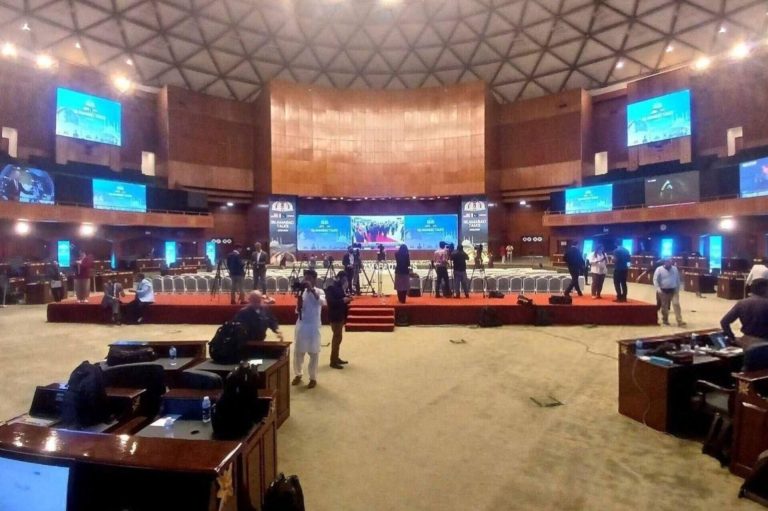
The United States is reportedly bolstering its military presence in the Middle East, a move underscoring the region’s complex geopolitical landscape. This heightened readiness comes as critical diplomatic efforts are underway, including preliminary negotiations with Iran in Pakistan, set to commence shortly.
Strategic Military Reinforcement
According to reports citing American officials, Washington continues to dispatch military assets to the region. This includes the recent arrival of advanced fighter jets and attack aircraft. Furthermore, preliminary plans are in motion to deploy approximately 1,500 to 2,000 soldiers from the elite 82nd Airborne Division of the U.S. Army in the coming days.
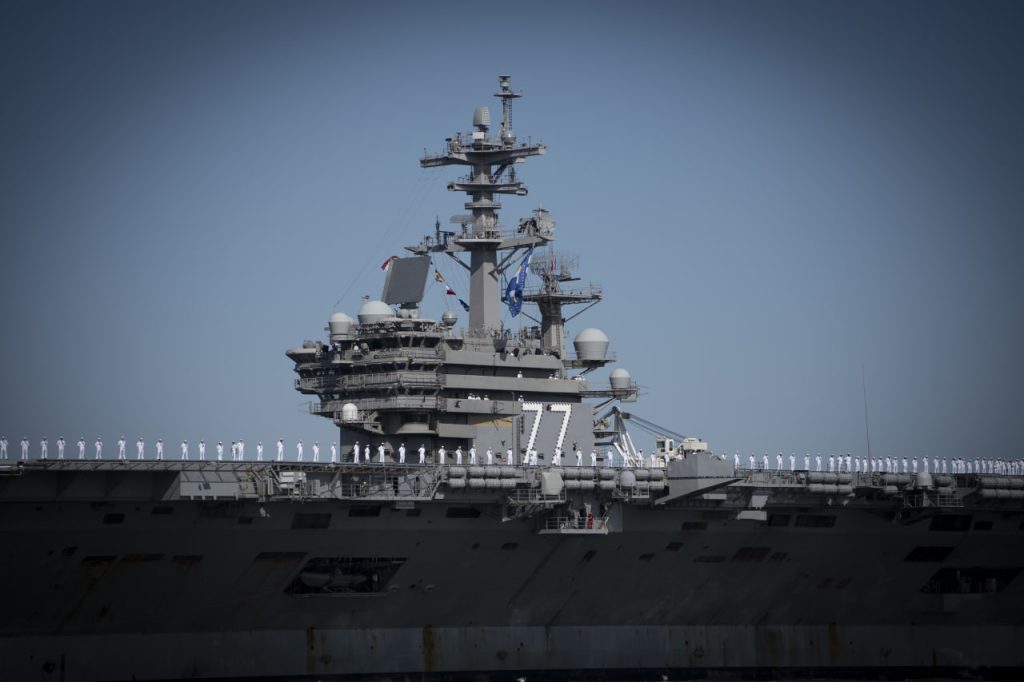
Naval power projection is also a key component of this strategic reinforcement. The aircraft carrier USS George H.W. Bush and its accompanying vessels departed from Norfolk, Virginia, at the end of March and are currently positioned in the Atlantic. Simultaneously, the USS Boxer, along with the 11th Marine Expeditionary Unit, left their base in California in mid-March and are sailing in the Pacific Ocean. Both naval groups require over a week to reach the Middle East, indicating a deliberate and phased deployment.
Diplomatic Breakthrough on the Horizon
This military buildup occurs against a backdrop of significant diplomatic developments. In the early hours of Wednesday, Iran and the United States agreed to a two-week ceasefire and the resumption of negotiations, mediated by Pakistan. This agreement follows a 40-day period of heightened tensions.
Iran’s Ten-Point Peace Initiative
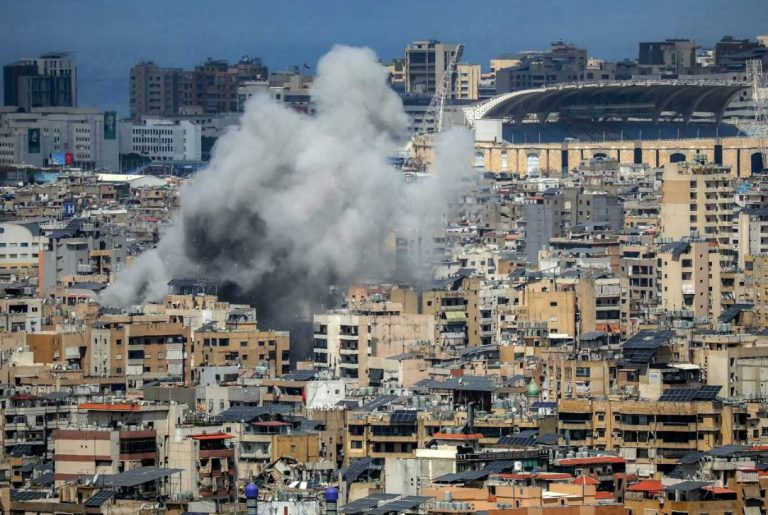
In a significant declaration, Iran’s Supreme National Security Council emphasized that Tehran has achieved a substantial diplomatic victory, compelling Washington to accept its ten-point proposal. This initiative, as outlined by the Council, includes key commitments from the U.S. on principles of non-aggression. Notably, the proposal addresses Iran’s continued control over the Strait of Hormuz, acknowledges Iran’s enrichment activities, calls for the lifting of all primary and secondary sanctions, and seeks the termination of all Security Council and Board of Governors resolutions. The initiative also includes provisions for reparations to Iran, the withdrawal of U.S. combat forces from the region, and a cessation of hostilities on all fronts, including support for Hezbollah.
Iranian Deputy Foreign Minister, Seyed Abbas Araghchi, has indicated that safe passage through the Strait of Hormuz during the two-week period will be feasible through coordination with Iran’s armed forces and consideration of technical limitations.
Tehran has issued a stern warning, asserting that any potential aggression will be met with a decisive and firm response, with Iran’s armed forces standing ready.