Middle East on Edge: Gulf States Signal Support for Intensified Pressure on Iran Amidst Diplomatic Stalemate
Washington, D.C. — A report by The Washington Post, citing informed sources, indicates a hardening stance among several key Arab nations. Saudi Arabia and the United Arab Emirates are reportedly prepared to back intensified U.S. military operations against Iran if Tehran declines to agree to significant limitations on its missile, drone, and nuclear programs. This development signals a complex regional dynamic where diplomatic solutions are increasingly sought but remain elusive.
Gulf States Eyeing Escalation for Concessions
According to the report, officials in Abu Dhabi and Riyadh are advocating for a “definitive end” to the current regional tensions, achievable through either diplomatic or military means. They have reportedly conveyed that their support for expanded Washington-led operations would materialize should Tehran not accept what they term “severe restrictions” on its advanced defense and nuclear initiatives. The stated aim of such a campaign, sources suggest, would be to compel concessions at the negotiation table.
This position is reportedly shared by Qatar, Kuwait, and Bahrain, underscoring a broader regional consensus on the need for stability. Oman, however, stands apart, reportedly opposing any U.S. military actions in the region. Underlying these positions is a shared concern among Middle Eastern nations that Washington might not succeed in securing an agreement that ensures lasting regional stability. While some Gulf officials previously held hopes for a “regime change” in Tehran, the report notes a shift in expectations. Observing the perceived limited impact of past U.S. and Israeli operations on the standing of the Iranian government, regional allies now reportedly hope that military actions could influence Tehran’s strategic behavior.
Ankara’s Urgent Diplomatic Push
Amidst these escalating discussions, Bloomberg reports that Turkey has launched intensive diplomatic efforts to prevent Gulf Arab nations from joining any potential U.S. and Israeli conflict against Iran. Ankara’s concern is rooted in the fear that such involvement could trigger a full-scale regional war, endangering the entire Middle East. Turkey reportedly perceives a growing impatience among Arab leaders concerning regional dynamics.
In response, Turkish Foreign Minister Hakan Fidan has reportedly embarked on a series of diplomatic engagements, including visits to Saudi Arabia, the United Arab Emirates, and Qatar, alongside numerous calls with his regional counterparts.
Heightened Tensions and Economic Repercussions
Separately, The Wall Street Journal had previously suggested the possibility of Saudi Arabia and the UAE aligning with the U.S. in potential military actions against Iran. Saudi Crown Prince Mohammed bin Salman is reportedly considering such a decision, with some sources indicating that given Riyadh’s prior authorization for the U.S. military to use its King Fahd Air Base, joining any hostilities could be “only a matter of time.” Saudi Foreign Minister Faisal bin Farhan has also previously stated that the Kingdom’s “patience with reported actions from Iran is not limitless.” UAE officials are similarly evaluating their potential entry into any conflict, having reportedly expressed reservations about a U.S. and Israeli ceasefire that did not fully neutralize Tehran’s military capabilities.
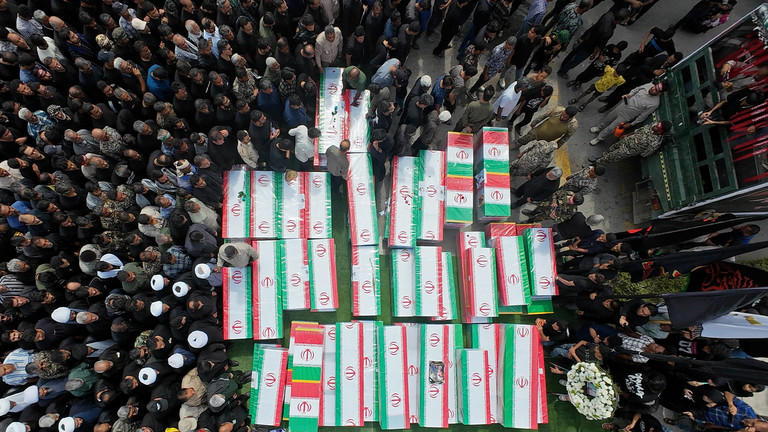
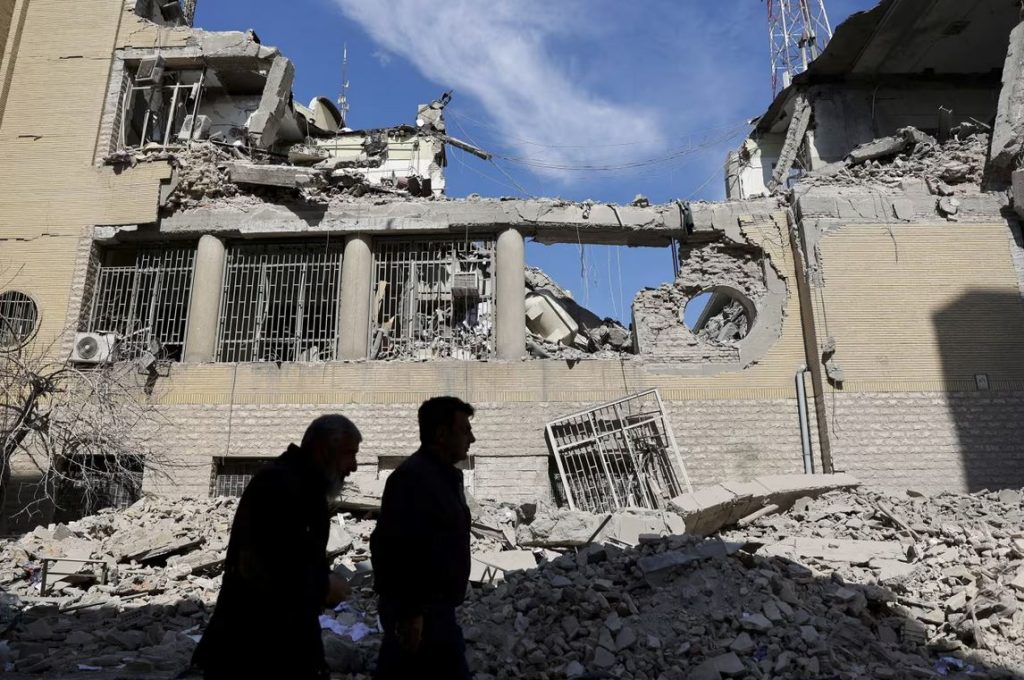
The original Persian report details extensive claims of U.S. and Israeli operations targeting military and residential zones across Iran since late February. Within these reported events, a significant claim from the original source highlights an incident in Tehran that allegedly resulted in the martyrdom of the Leader of the Islamic Revolution, Ayatollah Seyyed Ali Khamenei. The report further states that over 1,300 individuals nationwide have reportedly been martyred following these actions attributed to Washington and the Zionist regime.
In response to these reported escalations, Iranian armed forces launched “Operation True Promise 4” against what they identified as Israeli positions in the occupied territories and U.S. military centers in West Asia, reportedly inflicting significant damage.
These heightened tensions, culminating in reported retaliatory actions, have significantly increased risks for maritime traffic through the Strait of Hormuz—a crucial artery for approximately 20% of global oil consumption. Shipping through this strategic waterway has reportedly slowed, with several tankers reportedly targeted in the region. Market observers warn that a prolonged closure of the Strait could lead to substantial increases in oil prices, potentially reaching $150 or even $200 per barrel.
Regional Discontent and Unmet Demands
Previously, informed sources had cautioned the U.S. government that targeting Iran’s power infrastructure could provoke retaliation, jeopardizing their own energy and water facilities and posing a broader risk to the global economy. Officials from several Gulf nations have reportedly expressed frustration over their perceived lack of influence on Washington’s decisions, despite considerable investments in time and resources.
According to The Wall Street Journal, multiple attempts by Arab officials to initiate peace negotiations with Iran and the U.S. have been unsuccessful, primarily due to what are described as high demands from Tehran. These demands reportedly include compensation, guarantees against the renewed onset of hostilities, and the withdrawal of U.S. military bases from the Persian Gulf region.