Regional Tensions Challenge UAE’s Image as a Secure Global Hub, Washington Post Reports
Introduction: Escalating Regional Tensions Threaten Gulf Stability
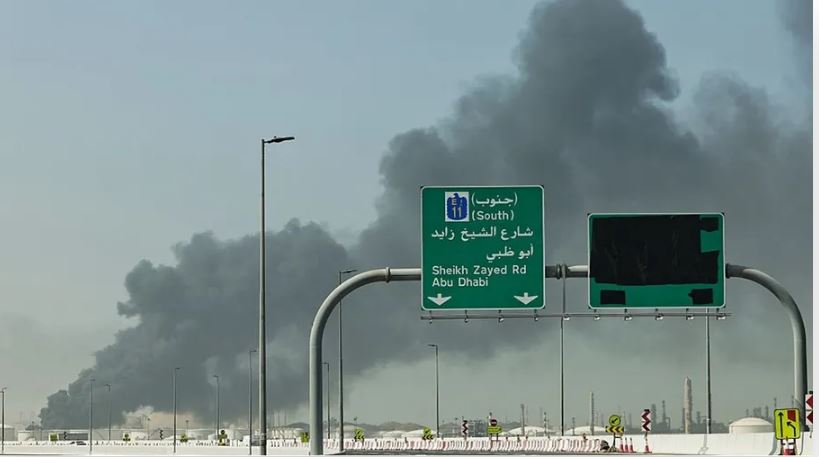
Recent drone and missile attacks targeting various locations across the Persian Gulf, particularly within the United Arab Emirates, have ignited growing concerns over the profound impact of military escalation on the region’s long-cultivated image. Once widely regarded as impregnable havens for international investment, commerce, and tourism, the stability of these nations is now under increasing scrutiny amidst a volatile geopolitical landscape.
Washington Post Analysis: Reputational Shift
A recent analysis in The Washington Post by Rachel Cheason highlights this shifting perception. Cheason notes in her piece that “Iran’s air attacks have shaken Gulf countries, undermined their reputation as havens of wealth and stability, and forced them to take sides in a war they had opposed.” This assessment underscores a significant political dynamic, suggesting that ongoing regional conflicts are not only challenging economic confidence but also compelling states to re-evaluate their strategic neutrality.
Dubai: A Symbol Under Scrutiny
Nowhere is this dynamic more acutely observed than in Dubai, the UAE’s largest city by population and a vibrant, forward-looking metropolis. With over 90% of its approximately four million residents being expatriates, Dubai has long epitomized the Gulf’s remarkable economic success and cosmopolitan appeal. However, as Cheason points out, Dubai now also stands as a potent symbol of the very threats encircling the region’s achievements.
Expert Perspective: A Damaged Image?
Emirati political science professor Abdulkhaleq Abdullah provides an internal perspective on this evolving situation. Reflecting on Dubai’s past, Abdullah stated, “Dubai was a safe haven, a reputable brand, and a model.” Observing an unusually quiet shopping center, he added, “Dubai has created an image that people respect. This image is now damaged, and the question is: how long will this damage last?” His remarks underscore a growing concern among regional observers about the longevity of the current security challenges and their lasting effect on public and investor confidence.
Political Repercussions and Future Outlook
The implications extend beyond mere economic calculations, touching upon the fundamental political positioning of Gulf states. The reported pressure to “take sides” in regional conflicts suggests a re-alignment of strategic priorities, potentially complicating diplomatic efforts and regional stability. As the region grapples with persistent security threats, the critical question remains: how will these political and military escalations ultimately redefine the UAE’s role and reputation on the global stage, and what long-term adjustments will be necessary to navigate this complex environment?