Global Tensions Ripple Through American Households: Economic Fallout Mounts
New York Post Report Highlights Mounting Costs for U.S. Consumers Amidst Regional Instability
New economic indicators are painting a stark picture for American consumers, with rising costs on everyday goods and services signaling a growing impact from global geopolitical events. A recent analysis by The Washington Post points to a series of emerging trends that suggest these pressures may intensify.
Signs of Strain Emerge
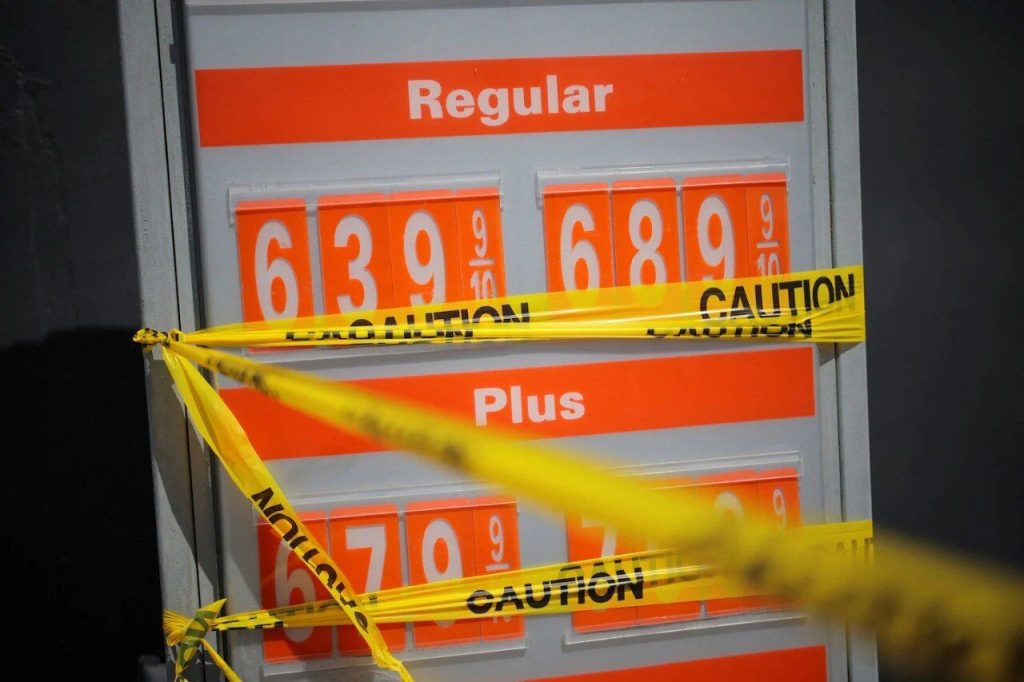
Reports indicate that major e-commerce players like Amazon are beginning to pass on increased fuel costs to customers through surcharges on deliveries. Simultaneously, mortgage rates have reached a seven-month high, impacting housing affordability. Consumers may soon face price hikes on common items such as soft drinks and detergents, further squeezing household budgets. These developments are being closely watched as early indicators of the broader economic implications of ongoing regional conflicts.
Expert Warnings and Global Interconnectedness
While initial assessments of the financial burdens on key nations involved in recent conflicts were described as “moderate,” and U.S. economic growth as “strong,” The Washington Post emphasizes that the current economic climate serves as a potential harbinger of more significant challenges. Escalating energy prices, rising interest rates, and supply chain disruptions are being likened to “lightning flashes before a rolling thunder,” warning of potential worsening conditions.
Recent polling from Ipsos on March 31st revealed a strong sentiment among Americans, with 56% expecting a “largely negative” impact on their personal finances due to the ongoing conflict, compared to just 7% who anticipate a positive effect. Should the current Middle Eastern instability persist for several more months, the ripple effects of higher prices and supply chain interruptions are expected to extend beyond Asia and Europe, reaching the shores of the United States.
“I don’t think the United States is going to be an exception,” stated Rachel Ziemba, a New York-based analyst who advises companies on geopolitical risk. “These are global markets. Experts were concerned even a week ago. They are more concerned now.”
Economic Projections Under Scrutiny
Economic forecasts highlight the potential severity of prolonged disruptions. Bloomberg Economics has projected that a three-month interruption to normal maritime trade could drive oil prices to $170 per barrel. Oxford Economics released an analysis on Thursday suggesting that if the current conflict were to last for six months, the global economy, which relies on approximately 13 million barrels of oil daily, could enter a recession.
In a recent note, J.P. Morgan commodity specialists highlighted that the closure of strategic waterways has already cost the global economy hundreds of millions of barrels of oil. They observed that the repercussions are being felt continuously and proportionally to the transit times from the Persian Gulf.
Global Supply Chains Under Pressure
The initial regions to experience the impact of disrupted oil shipments from the Persian Gulf were in Asia, where governments have implemented rationing and protective measures. Europe is anticipated to face physical shortages by mid-April as the final shipments of oil loaded before the conflict reach continental ports. The interconnectedness of global energy markets means that instability in one region can have far-reaching consequences, affecting prices and availability for consumers worldwide.