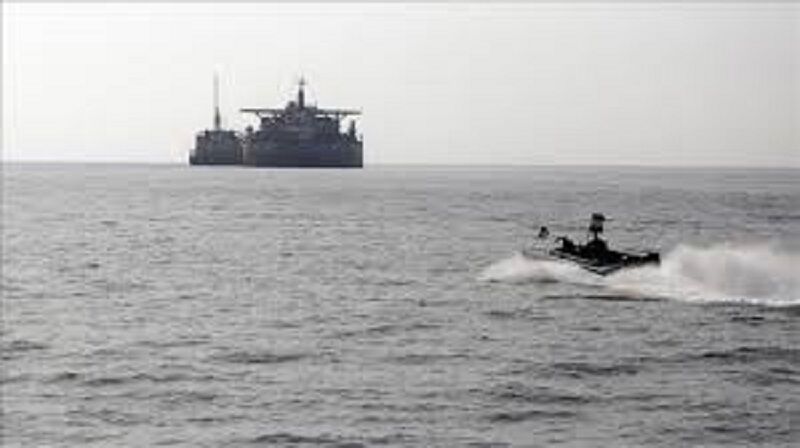
Geopolitical Bottleneck: Hormuz Closure Cripples Iraqi Trade, Sparks 60% Shipping Price Spike
Iraq’s economy is facing a significant challenge to its maritime trade infrastructure following the closure of the Strait of Hormuz, according to a high-ranking Iraqi official. The disruption has led to substantial supply chain issues and a staggering 60% surge in sea transport prices, highlighting the geopolitical vulnerabilities of regional trade.
Trade Routes Disrupted
Speaking to Al Jazeera on Tuesday evening, the unnamed Iraqi official confirmed that three direct shipping lines originating from China have been unable to reach Iraqi ports. This inability stems directly from the closure of the Strait of Hormuz, a critical maritime passage. The official also reported that three oil tankers are currently held in international waters, awaiting the reopening of the vital waterway.
Umm Qasr Port Stands Empty
The immediate repercussions of this closure are starkly visible at Iraq’s southern Umm Qasr port, a key hub for the nation’s imports and exports. The official noted that the port, which typically handles a substantial volume of international shipping, currently stands empty of vessels, underscoring the severity of the trade paralysis.
Economic and Geopolitical Implications
The Strait of Hormuz is one of the world’s most strategically important chokepoints, through which a significant portion of global oil and liquefied natural gas passes, alongside general cargo bound for and from Persian Gulf nations. For Iraq, dependent on this artery for both energy exports and various imports, its closure creates immediate economic headwinds. The reported 60% increase in sea transport prices is a direct consequence of this disruption, threatening to exacerbate inflationary pressures and further complicate the nation’s economic stability. The situation underscores Iraq’s sensitivity to regional maritime security and the broader geopolitical landscape affecting global supply chains.