Title: National Weather Update: Stable Conditions Bring Air Quality Concerns, Scattered Rain Forecast
A Nationwide Forecast
The Head of Iran’s National Center for Weather Prediction and Crisis Management has provided a detailed provincial forecast, indicating generally stable and calm atmospheric conditions across most of the country until the end of the week.
Air Quality in Focus
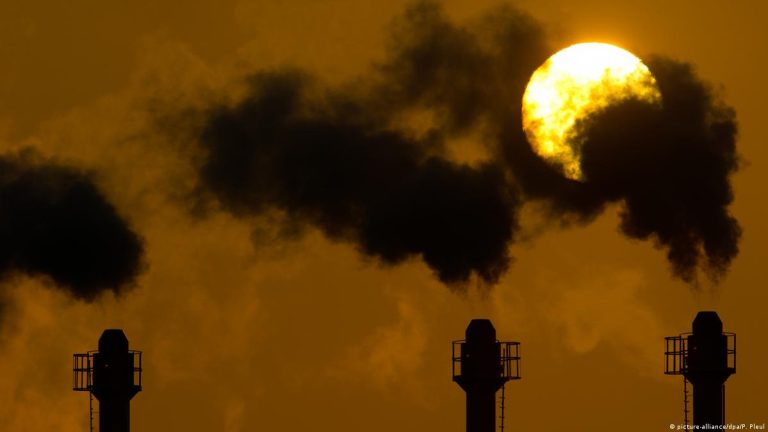
According to Sadeq Ziaian, this period of atmospheric stability is expected to lead to an increase in the concentration of air pollutants and a reduction in air quality. He stated that in populous and industrial cities, the air pollution index is forecast to persist at levels considered unhealthy for all groups. Ziaian further cautioned that without the management of stationary and mobile pollution sources in high-traffic and industrial areas over the next three days, there is a possibility of the pollution index reaching “very unhealthy” and even hazardous thresholds.
Regional Rainfall Prospects
The forecast indicates a change for some northern and western regions. From Wednesday afternoon, an increase in cloud cover and the possibility of scattered precipitation is predicted for the province of Kurdistan and southern parts of West Azerbaijan. This pattern is expected to extend on Thursday to some areas of the Mazandaran and Golestan provinces.
Capital’s Weather Outlook
Regarding the capital, Tehran’s sky is expected to be clear and hazy today, with a gradual increase in clouds. Minimum and maximum temperatures are forecast to be 6 and 17 degrees Celsius, respectively. Over the next five days, the sky in Tehran province is predicted to be clear to partly cloudy, with occasional mild winds. However, due to the continuation of the orange-level air pollution alert and a lack of effective wind, a further accumulation of pollutants and reduced air quality is anticipated, particularly in high-traffic urban areas.
A Gradual Cooldown
In conclusion, officials noted that a gradual decrease in temperature is forecast across the country from Wednesday through Sunday, with this trend being more pronounced in northern regions.