Russia’s Geopolitical Pivot Ignites Arab Tourism Boom Amid Western Sanctions
Moscow’s strategic reorientation away from the West, spurred by international sanctions and the ongoing conflict in Ukraine, is significantly reshaping its global partnerships. This pivot has fostered increasingly close ties with Gulf nations, leading to a remarkable surge in Arab tourism to Russia, transforming the country’s inbound travel landscape.
A New Diplomatic and Economic Axis
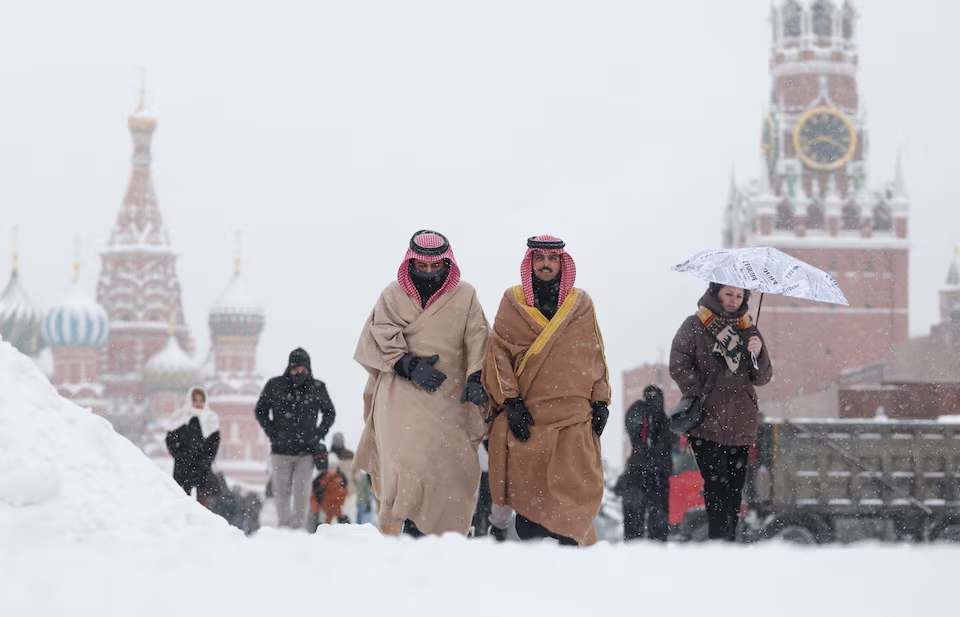
Four years into its conflict with Ukraine, Russia has intensified efforts to strengthen relations beyond traditional Western alliances, particularly with countries in the Arabian Gulf. This outreach has been underpinned by robust diplomatic engagement, including roles played by Qatar, the UAE, and Saudi Arabia in facilitating prisoner exchanges and the return of children to Ukraine. These deepening ties have paved the way for tangible benefits, such as a significant increase in direct flights connecting Moscow with key Gulf capitals and the introduction of new visa-free travel regulations.
Gulf Nations Emerge as Key Tourist Markets
While Chinese visitors, long-standing partners, continue to dominate Russia’s tourism statistics with over 800,000 arrivals in 2023, the growth from the Gulf region is particularly striking. In 2023, Saudi Arabia impressively secured the second spot for the first time, contributing nearly 75,000 tourists—a robust 36% increase from the previous year. The United Arab Emirates also emerged as a significant source, ranking sixth with over 59,000 visitors. These figures underscore a broader trend of shifting travel patterns influenced by geopolitical developments.
Luxury Spending Fuels Moscow’s Hospitality Sector
Visitors from the Gulf region are notably contributing to Russia’s luxury hospitality sector. They frequently choose upscale hotels in the capital’s heart and are prominent patrons of high-end, Russian-themed restaurants, as well as renowned shopping districts and malls. Tour operators report that these tourists often spend between 200,000 to 300,000 rubles (approximately $6,523 USD) on additional services. Industry experts suggest this spending could be even higher were it not for existing regulations limiting undeclared cash brought into the country to $10,000.
Rebuilding Tourism Post-Sanctions
Overall, Russia welcomed 1.64 million tourists in 2023, marking a 4.5% increase from the previous year. While this represents a significant recovery and diversification of its tourism base, it still falls short of the pre-sanction peak in 2018, when Russia hosted the FIFA World Cup and attracted 4.2 million foreign visitors. The burgeoning Arab tourism market, however, offers a vital pathway for Russia to reinvigorate its travel industry and underscore its evolving geopolitical alliances.