WHO Chief Urges Protection for Iran’s Healthcare Amidst Reported Incidents
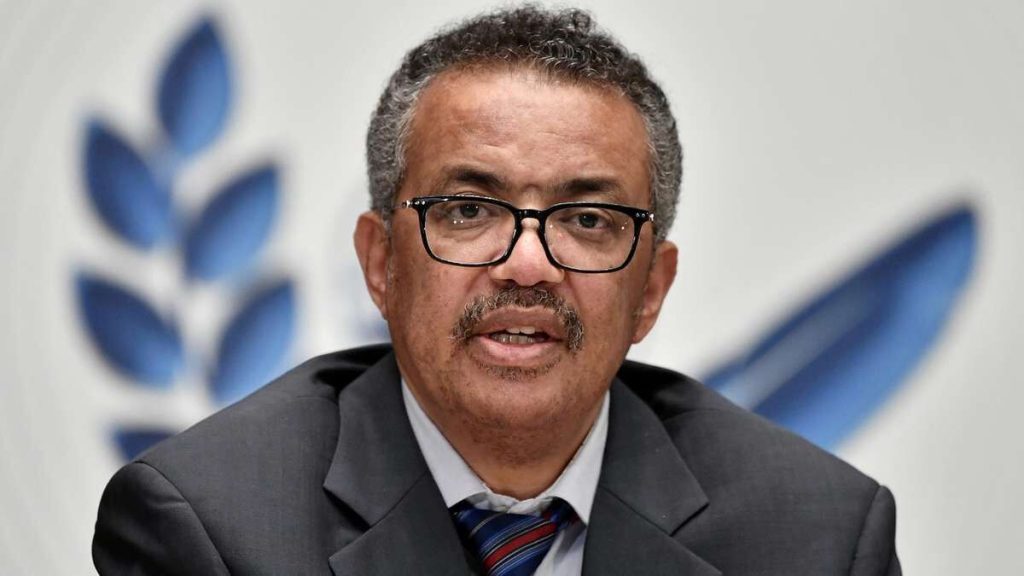
Geneva, Switzerland – Dr. Tedros Adhanom Ghebreyesus, Director-General of the World Health Organization (WHO), has issued a significant appeal for the urgent protection of Iran’s health facilities, personnel, and patients. Responding to reports of damage and disruption, the WHO chief underscored the critical importance of safeguarding vital healthcare infrastructure, which is indispensable during periods of instability.
Specific Concerns Highlighted
In a statement shared on the X platform, Dr. Tedros drew attention to specific incidents impacting Iran’s health system. He noted reports indicating that explosions near Tehran’s Motahari Hospital had allegedly caused damage to parts of the facility, necessitating the evacuation of patients and staff on March 1st. Furthermore, the WHO Director-General cited reports detailing damage to two medical emergency centers located in the central city of Sarab and the western city of Hamadan, resulting in injuries to at least two medical personnel.
The Indispensable Role of Healthcare
Emphasizing the foundational role of medical services, Dr. Tedros asserted that “hospitals and clinics are needed more than ever during times of crisis.” He stressed that ensuring their protection at all times is paramount to maintaining public health and societal well-being. This appeal from the WHO serves as a crucial reminder of international humanitarian principles that mandate the neutrality and safety of medical facilities and staff in any operational environment.
A Universal Call for Peace
The Director-General reiterated his fervent plea to “all parties to prevent health facilities, personnel, and patients from becoming victims of conflict.” His powerful message culminated with the universal declaration: “Peace is the best medicine.” This call underscores the profound link between health security and broader stability, urging all actors to prioritize humanitarian considerations and work towards peaceful resolutions that uphold the sanctity of life and ensure unimpeded access to essential health services.