Rewritten Title: Iran’s Subsidy Overhaul: A Drive for Greater Economic Justice in 2025
Article:
In a significant move to refine its social safety net, the Iranian government has implemented new criteria for its national cash subsidy program, effective the start of the current Iranian year (March 2024). The policy is a continuation of a strategic effort to phase out subsidies for higher-income brackets and redirect resources to the most vulnerable households.
A Shift in Strategy
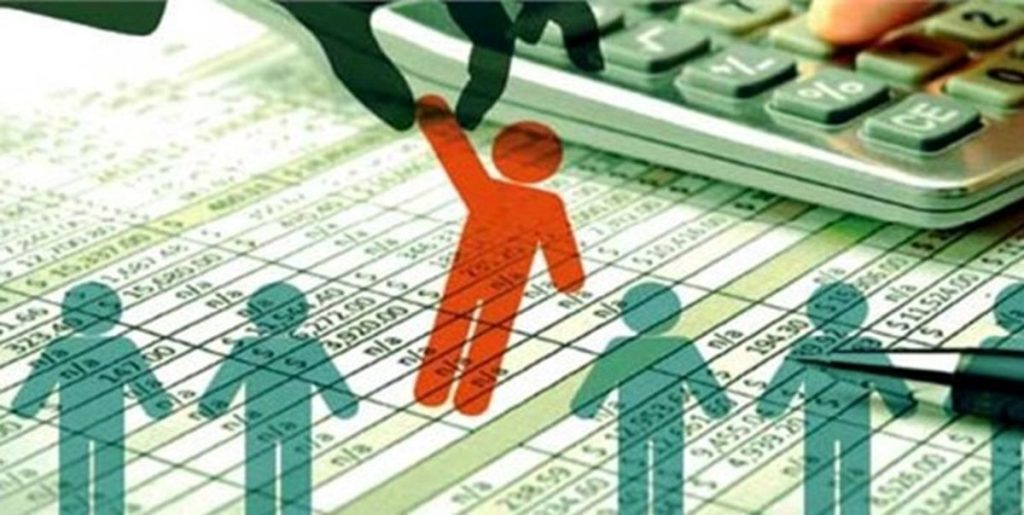
The core objective of the new framework is to more accurately identify and remove the top three income deciles (the 8th, 9th, and 10th) from the universal cash subsidy roster. This initiative, mandated by the national budget law, is being executed by the Subsidy Targeting Organization in collaboration with the Ministry of Cooperatives, Labour, and Social Welfare.
The New Criteria for Exclusion
The revised economic classification system cross-references household data with banking and asset registries. The primary indicators now used to identify affluent households for subsidy removal include:
- Monthly Income/Expenditure Per Capita: Households where the per-person monthly expenditure exceeds a specific threshold are classified as high-income.
- Banking Transactions: Significant financial turnover, substantial deposits, and frequent transactions in the bank accounts of household members are key factors.
- Assets and Lifestyle: Ownership of luxury vehicles, multiple cars, capital assets (such as gold, foreign currency, commercial property), and a history of personal or family foreign travel are now direct criteria for exclusion.
Parliamentary Scrutiny and the Housing Question
While the new system is more data-driven, it has faced scrutiny within Iran’s political institutions. A prominent point of debate, raised by parliamentary representatives, is the incomplete integration of housing data.
Abbas Goodarzi, a spokesperson for the parliament’s presiding board, publicly stated that while financial transactions, travel, and car ownership are factored in, the current system does not adequately account for real estate holdings and housing costs. He emphasized that this gap could allow some affluent property owners to continue receiving subsidies while potentially unfairly classifying some tenants with high living costs as wealthy.
This critique highlights a central challenge: in major cities like Tehran, where housing can consume over 60% of a household’s income, its omission could skew the perceived economic standing of many families.
Ensuring Public Redress
To address potential misclassifications, the government has established a clear appeals process. Households can check their economic decile status and file an official objection through the dedicated “Hemayat” support platform (hemayat.mcls.gov.ir). Alternative methods, including a USSD code, a dedicated hotline, and in-person visits to designated offices, are also available to ensure broad access.
The Road Ahead
Official reports indicate that subsidies for over 8 million individuals have already been discontinued, with projections suggesting this number could rise. The government has reaffirmed its commitment to channeling the saved funds towards increasing support for lower-income deciles and providing enhanced assistance to vulnerable groups.
This recalibration of Iran’s subsidy program represents a complex balancing act in economic policy—aiming to enhance fiscal efficiency and social equity. The ongoing dialogue between the government and parliament underscores a shared commitment to refining the process for a more just and accurate distribution of national resources.