High-Stakes Wage Negotiations Begin as Inflation Squeezes Iranian Workers
Introduction: A Precarious Economic Landscape
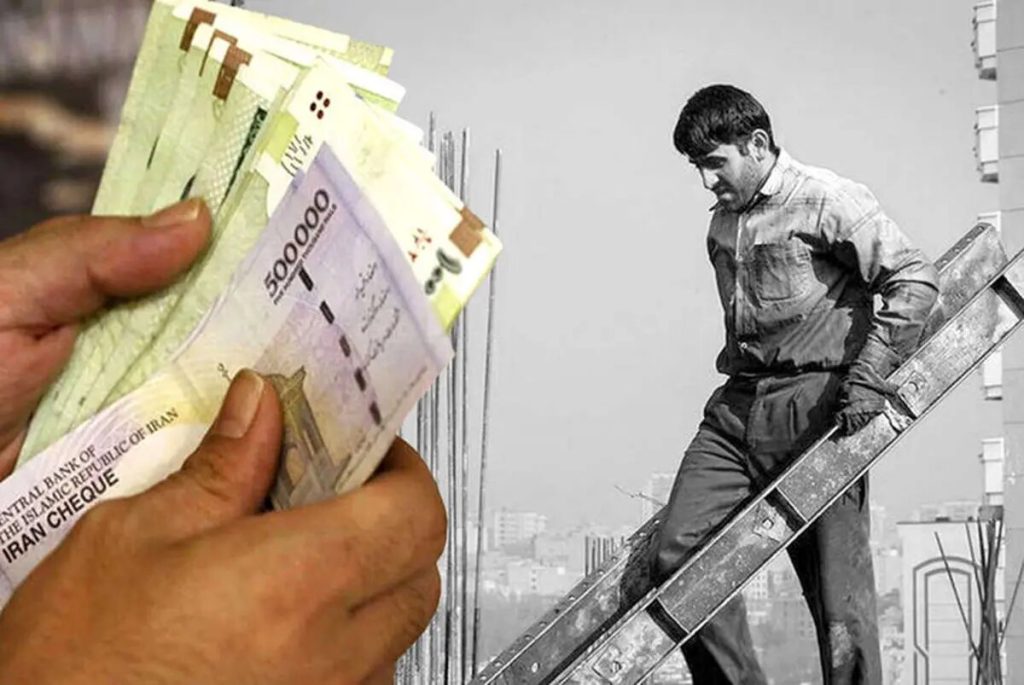
As Iran prepares for the critical 2025 minimum wage negotiations, the economic backdrop is one of significant pressure. Official statistics highlight a stark disparity: while the general inflation rate stands at 48%, the point-to-point inflation for food items has surged past 64%. This indicates that the cost of living for average citizens, particularly for essential goods, is rising at a much faster pace than the economy’s average, intensifying the challenges of daily life for working-class families.
Early Start for Complex Negotiations
In response to these mounting pressures, the Supreme Labor Council has taken the unusual step of convening its wage committee ahead of schedule. Ali Khodaei, a labor representative on the council, confirmed the early formation of the committee, signaling the anticipated difficulty of this year’s talks. He stated that the severe living conditions necessitate a clear strategy from the outset: to seriously restore the purchasing power that workers have lost over recent years.
Labor representatives are expected to push for a wage increase that not only matches but exceeds the official inflation rate. This comes after last year’s 45% wage hike was effectively erased by rising prices within months. Employers, however, are likely to cite the general increase in prices and a sluggish economy as reasons to resist such demands, potentially setting aside a previous government pledge to gradually close the gap between wages and the cost of living over several years.
Government Measures and Worker Expectations
While acknowledging government initiatives such as proposed commodity baskets and housing measures, Khodaei described their scale as “very negligible and small” compared to the sector’s vast needs. He emphasized that in the absence of more effective, non-cash welfare support for workers in areas like housing, a substantial direct wage increase remains the only viable solution to alleviate immediate hardship. The core demand from labor representatives is for a wage adjustment that actively begins to repair the lost purchasing power from this year and previous years.
Concerns Over Broader Economic Reforms
The wage talks occur amidst broader concerns about potential government economic reforms, particularly regarding energy carrier prices. Khodaei expressed deep concern that any increase in prices, such as for gasoline, would deliver an “irreparable blow to public livelihood and the working class,” triggering a further jump in prices without a guarantee of better public services in return.
Political Context: A Minister Under Scrutiny
Adding a layer of political complexity to the economic discussions is the impending impeachment motion against Minister of Labor, Ahmad Meidari. Khodaei commented on the political situation, expressing a lack of trust in the motives behind the impeachment, which he believes are not rooted in a genuine concern for social justice or workers’ welfare. He advised fellow labor activists to avoid being drawn into what he termed “impeachment games,” focusing instead on steadfastly advocating for the demands of the working class, regardless of who holds the ministerial position.
Conclusion: A Critical Juncture
The 2025 wage negotiations are poised to be among the most challenging in recent years. With a deep gap between the officially calculated minimum living cost and the actual minimum wage, the outcome will have profound implications for the economic stability of Iranian workers and the nation’s path toward economic prosperity. All eyes are on the Supreme Labor Council as it navigates these complex economic and social pressures.