Title: Iran’s New Electronic Subsidy System: A Political Response to Economic Challenges
In a significant policy move, the Iranian government has launched a new phase of its electronic subsidy program, designed to mitigate the economic impact on citizens following broader structural reforms. The initiative represents a strategic effort to stabilize the market for essential goods and protect household purchasing power.
A Strategic Economic Intervention
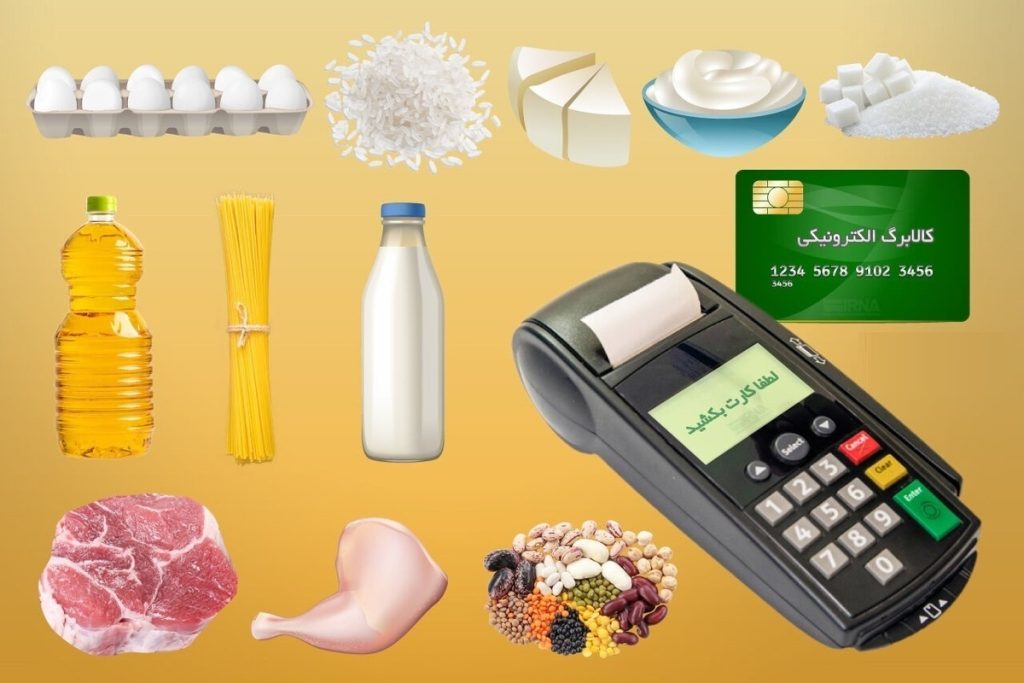
The rollout of the new “Goods Allocation Plan” or electronic subsidy card comes as a direct governmental response to inflationary pressures. The core objective is to provide a stable supply of essential commodities—including rice, oil, meat, poultry, eggs, dairy products, legumes, sugar, and pasta—at previously standardized prices. This system allows eligible families to purchase these items from connected retailers using a dedicated credit balance, bypassing market price fluctuations.
Politically, the program underscores a commitment to social welfare, aiming specifically to safeguard low and middle-income families from economic shocks. By ensuring access to basic nutritional needs, the government seeks to maintain social equilibrium and support domestic consumption.
Phased Implementation and Current Status
The execution of the program is being carefully managed in phases, prioritizing the most vulnerable segments of the population. The third phase of the subsidy distribution commenced on June 28, 2024, for the first three income deciles. These households have been allocated a credit of approximately 500,000 Tomans per person.
However, the timeline for the fourth to seventh income deciles remains a focal point of public attention. While initial reports suggested potential disbursement dates in early July, official channels have yet to confirm a definitive schedule. Authorities have emphasized that the finalization of these dates is contingent upon the secure allocation of necessary resources, highlighting the logistical and fiscal planning involved in the nationwide program.
Navigating Challenges and Ensuring Efficacy
The successful implementation of such a large-scale subsidy scheme involves navigating several complex challenges. Key among them is ensuring robust funding and seamless logistical coordination between various ministries and executive bodies. The government is also focused on enhancing the technological infrastructure to guarantee that all eligible citizens, even in remote areas, can access the network of authorized stores.
Transparent communication regarding disbursement schedules and eligibility criteria is another priority, aimed at managing public expectations and ensuring the program’s benefits are fully realized. The allocated credit for the current phase is valid until the end of the Iranian month of Tir (July 21, 2024), adding a time-sensitive dimension to its utilization.
This comprehensive subsidy program illustrates a calculated political strategy to address economic realities directly. By channeling support through a structured, electronic system, the initiative aims to deliver targeted aid efficiently, reinforcing social stability amidst ongoing economic adjustments.