Ukraine’s Drone Diplomacy: Zelenskyy Dispatches Specialists Amidst Evolving Middle East Security Dynamics
Ukrainian President Volodymyr Zelenskyy has announced that 200 Ukrainian air defense specialists are currently active in the Middle East, engaged in efforts to counter air attacks, which he specifically linked to Iranian aerial assets. This revelation, made during his recent visit to the UK, highlights Ukraine’s burgeoning strategic role in global defense innovation, forged by its direct experience in evolving modern warfare.
The New Era of Drone Warfare
Addressing the UK Parliament, President Zelenskyy emphasized how inexpensive, offensive drones, costing approximately $50,000 each, have fundamentally reshaped modern conflict. He starkly contrasted this with the estimated $4 million cost of interceptor missiles typically used by the United States and its allies to neutralize such threats, highlighting a significant economic disparity in contemporary aerial defense.
Ukraine’s Innovative Defense Strategy
Faced with persistent combined drone and missile attacks since early last year and a scarcity of traditional Western air defense systems, Ukraine has pioneered a multi-layered, innovative defense strategy. This approach integrates electronic warfare, modified helicopters and cargo aircraft for airborne drone hunting, and ground forces equipped with heavy machine guns and MANPADS for low-altitude interception. This ingenuity has positioned Ukraine as a formidable developer of counter-drone technologies.
Exporting Expertise and Regional Engagements
Capitalizing on this expertise, Zelenskyy has expressed Ukraine’s readiness to share its advancements, particularly its capacity to produce approximately 2,000 interceptor drones daily, with the potential to supply half of this output to allies. He previously confirmed the deployment of Ukrainian specialists to Saudi Arabia, Qatar, and the UAE, and, following a request from the United States, dispatched interceptor drones and a team of experts to bolster the defense of U.S. military bases in Jordan. Senior Ukrainian officials have underscored their capability to provide technical know-how and experience in neutralizing drone threats amidst the ongoing regional dynamics in the Middle East.
Geopolitical Stakes and Counter-Drone Diplomacy
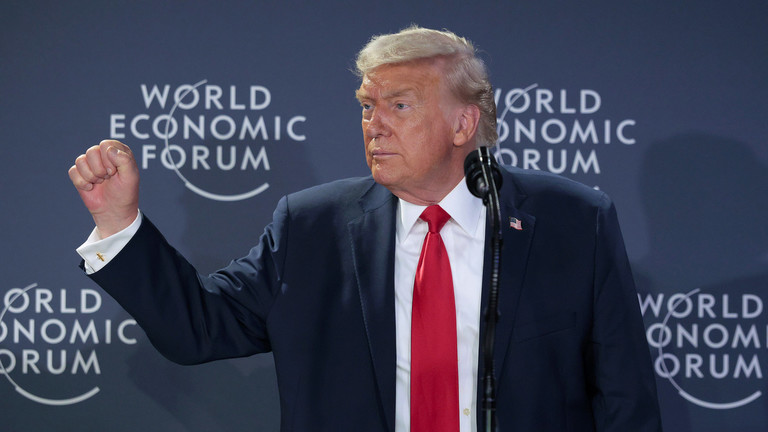
Zelenskyy’s outreach is perceived as a strategic effort to enhance Ukraine’s leverage with allies, aiming to secure advanced, high-cost ballistic missile defense systems crucial for its own security needs. However, the international perspective on this offer is not uniform; former U.S. President Donald Trump, in an interview with Fox News, indicated Washington’s position that it does not require Kyiv’s assistance for its anti-drone capabilities.
Regional Tensions and Drone Dynamics
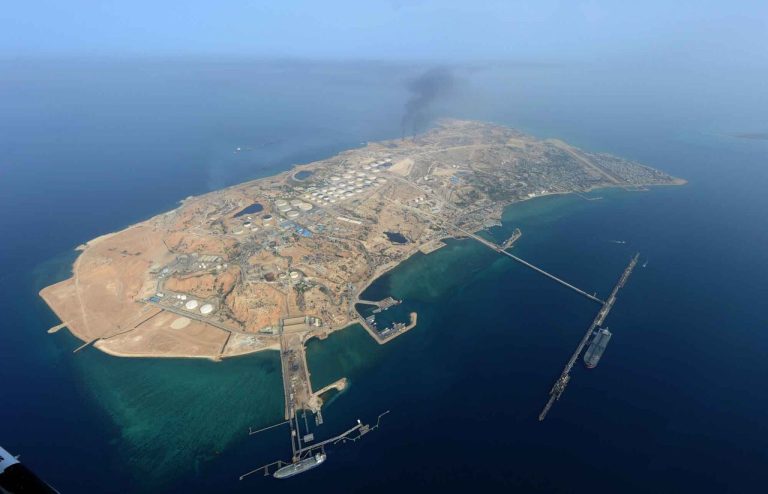
The Persian news report detailing Zelenskyy’s announcement also provided context on recent regional developments. It stated that, since late February, operations attributed to America and Israel have targeted military and residential areas in Iran, leading to casualties, including the reported martyrdom of Supreme Leader Ayatollah Seyyed Ali Khamenei in Tehran. The report further asserted that over 1,300 individuals across Iran have been martyred in these operations. In response, Iran’s armed forces initiated ‘True Promise 4’ operations, targeting positions of the Zionist regime in occupied territories and U.S. military centers in West Asia, reportedly inflicting significant damage across multiple waves. This period also saw the Persian report referencing a ‘war’ between America and Israel against Iran entering its third week, during which U.S. bases and occupied territories were reportedly targeted by thousands of Iranian drones.
Global Interest in Ukrainian Innovation
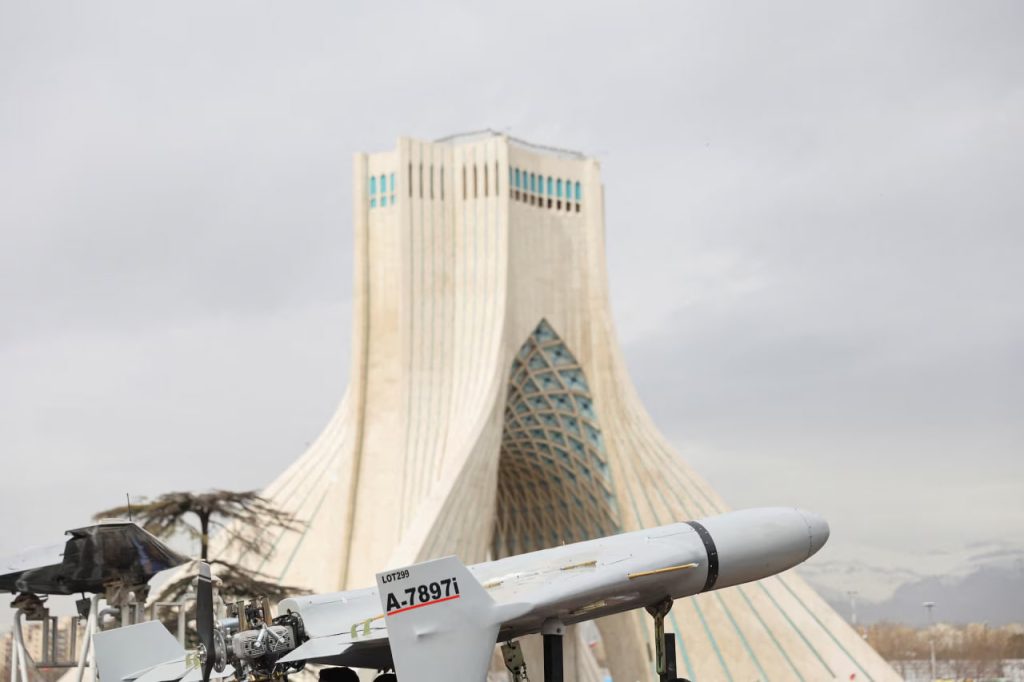
Ukraine, now recognized as a leading global producer of interceptor drones, is poised to offer its expertise to the U.S. and Gulf nations. These countries have reportedly utilized expensive Patriot missile stockpiles, depleting them, to counter inexpensive Iranian-designed Shahed drones, which cost approximately $30,000. In contrast, a single PAC-3 interceptor missile for the U.S.-made Patriot air defense system costs millions. Kyiv has developed low-cost interceptor drones, priced at around $1,000 to $2,000, rapidly moving these systems from prototype to mass production within months. Amidst these developments, Israeli Prime Minister Benjamin Netanyahu has reportedly sought discussions with Zelenskyy regarding Kyiv’s interceptor drone technology.