Persepolis at a Crossroads: A Defining Moment for Leadership and National Sporting Aspirations
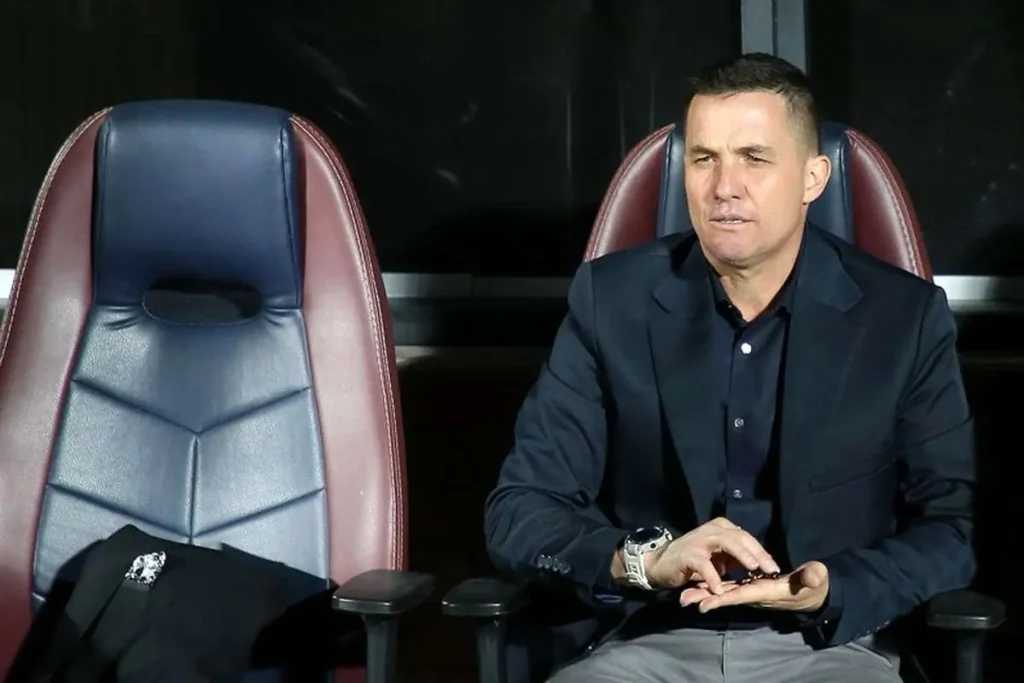
Tonight’s highly anticipated clash between Persepolis and Kheybar is more than just a football match; it represents a critical juncture for Persepolis’s Brazilian coach, Osmar Loss. The outcome of this encounter could not only reshape the Iranian Professional League standings but also carry significant weight for the club’s leadership and the national sporting narrative.
The Crucible of Command
For Osmar, this match is arguably his most crucial challenge at the helm of the “Red Army.” A victory could propel Persepolis closer to the top of the table, offering a renewed sense of purpose and demonstrating the team’s resilience. However, a draw or, more critically, a defeat, could spell the end of his tenure, underscoring the intense pressure and high stakes associated with leading one of Iran’s most popular and prestigious clubs.
Osmar’s journey with Persepolis has been a rollercoaster. Initially credited with steering the team out of crisis and even guiding them to the league’s pinnacle, the second half of the season has presented significant difficulties. Despite reinforcing the squad with three new players, the team’s performance has disappointingly declined. Persepolis has endured four losses in their last six second-half matches, marking their poorest showing in the league’s history for this period—a stark indicator of the challenges faced.
Strategic Implications and Public Scrutiny
Currently, Persepolis sits fifth in the league. Yet, with key rival teams not playing today, a win would dramatically improve their position, potentially even elevating them to the top spot if Gol Gohar fails to secure a victory. This potential ascent highlights the strategic importance of every point in a fiercely contested league.
The intense scrutiny on Osmar reflects a broader societal demand for accountability and excellence within prominent national institutions. The speculation around the potential return of former coach Yahya Golmohammadi further underscores the significant public and media attention surrounding the club’s leadership and future direction.
Echoes of Past Encounters
Adding another layer of drama is the historical context of the fixture. Kheybar previously inflicted a late-game defeat on Persepolis in the first half of the season, a loss that led to the dismissal of then-assistant coach Vahid Hashemian. The question now looms: will Kheybar once again be the catalyst for a coaching change at Persepolis, or will the “Red Army” seize this opportunity for redemption and emerge stronger from their current challenges?
Kheybar, under the astute leadership of coach Mehdi Rahmati, has proven to be a formidable opponent. Despite a mixed record in the second half of the season, their recent victory against Malavan has undoubtedly boosted their morale. This contrasts sharply with Persepolis, who suffered a significant 3-1 defeat to Gol Gohar last week, drawing considerable criticism towards Osmar and his squad.
The Teams’ Current Trajectories
Persepolis currently holds 34 points from 21 matches, positioned fifth. While a victory could see them ascend to the top, any other result will maintain their current standing or higher. Kheybar, with 26 points, sits ninth. A win for Kheybar could propel them up three spots, while a loss risks dropping them to thirteenth.
Mehdi Rahmati boasts an exceptional record against Persepolis, having emerged victorious in his last two encounters against them. Across six previous matches in all competitions, Persepolis has secured only one win against teams managed by Rahmati. Adding to Persepolis’s challenges, they will be without Milad Mohammadi and Mohammad Hossein Kanaanizadegan due to injuries for this pivotal match.
Probable Lineups:
Persepolis:
Payam Niazmand, Daniel Gra, Morteza Pouraliganji, Hossein Abraghoui, Farzin Moamelegari, Marco Bakic, Soroush Rafiei, Omid Alishah, Tiwi Bifouma, Ali Alipour, Igor Sergeyev.
Kheybar:
Hossein Pourhamidi, Seyed Ehsan Hosseini, Masoud Mohebbi, Sobhan Pasandideh, Mohsen Sefidchoghaei, Esmaeil Babaei, Fardin Yousefi, Mehrdad Ghanbari, Mehdi Goudarzi, Amirhossein Farsi, Isa Moradi.