Shipping Chief Warns Against US “Dangerous Step Backward” in Strait of Hormuz
International Maritime Organization Head Expresses Concern Over Escalating Tensions and Blockade Tactics.
The head of the International Chamber of Shipping (ICS) has voiced serious concerns regarding the escalating situation in the Strait of Hormuz, describing a reported US plan to blockade oil tankers departing Iranian ports as a “dangerous step backward.” John Denholm, the newly elected chairman of the ICS, emphasized the need for de-escalation and the unimpeded passage of maritime traffic.
Concerns Over Maritime Stoppages and Economic Repercussions
Speaking at a press conference in Hong Kong, Denholm stated that the ICS was initially hopeful following the commencement of a ceasefire. However, he admitted that the situation is not progressing favorably. “The action to blockade oil tankers leaving Iranian ports is, in my opinion, a step backward,” Denholm remarked, expressing hope for a temporary resolution and the reopening of the Strait of Hormuz. He underscored that the responsibility for resolving the standoff rests with both the United States and Iran, with the ICS and its member organizations acting as observers.
Denholm also highlighted that the imposition of fees for safe passage through international waters is an unacceptable outcome for the ICS, drawing parallels to charges for transit through the Strait of Gibraltar or the English Channel.
The ongoing tensions, described in the original report as a conflict between the US and Israel against Iran, and Tehran’s responses, have severely impacted shipping in the vital strait. This disruption has led to what the International Energy Agency has termed the most significant disruption to global energy supply in history. The Strait of Hormuz is a critical chokepoint, facilitating the passage of approximately 20% of the world’s oil and liquefied natural gas.
The ripple effects of these maritime disruptions have been felt globally, with oil prices surging over 50% since the conflict’s inception. This price hike has fueled concerns about a global economic slowdown, with fuel prices rising worldwide and numerous countries reporting increased gasoline costs. Market observers warn that if the Strait of Hormuz remains closed, prices could escalate significantly, potentially reaching $150 or even $200 per barrel.
Prioritizing Crew Safety Amidst Tensions
Denholm stressed that the ICS’s primary concern is the safety and well-being of the approximately 20,000 seafarers currently navigating the Persian Gulf. While not in immediate physical danger, being stranded on vessels in a conflict zone creates a highly stressful environment.
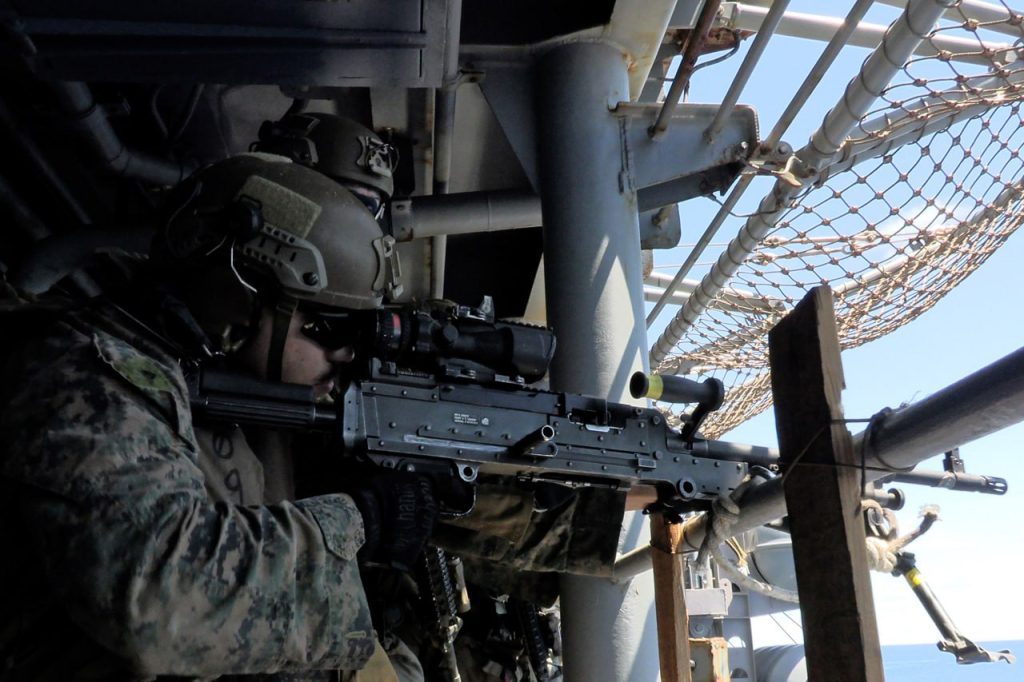
Reports indicate the presence of over 15 US warships in the Strait of Hormuz as part of a naval blockade, including an aircraft carrier, destroyers, and an amphibious assault ship. The US military claims this blockade is being implemented following the breakdown of peace talks in Pakistan.
In response to the heightened tensions, the Islamic Revolutionary Guard Corps (IRGC) Public Relations has stated that the Strait of Hormuz remains open and managed with strict adherence to protocols for the safe passage of civilian vessels. The IRGC has warned that any military vessels attempting to approach the Strait under any pretext will be considered a violation of the ceasefire and will be met with a severe response. The IRGC Navy has further cautioned that any “wrong move” by adversaries will lead to their entrapment in “deadly whirlpools” within the Strait.