Strait of Hormuz: A Channel for Peace, Not Aggression, Expert Affirms
International Analyst Clarifies Navigation Rights Amidst Regional Tensions
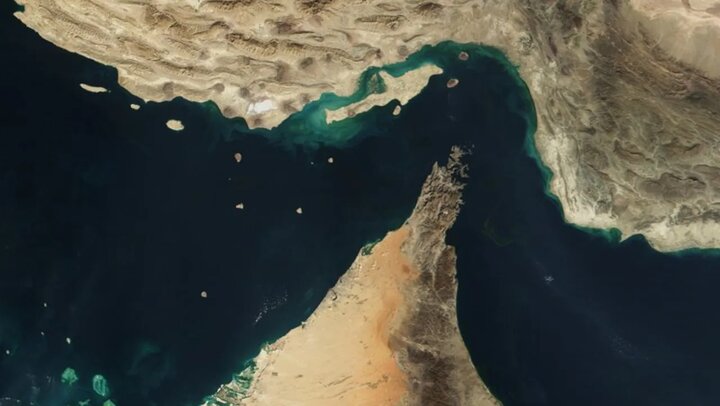
A prominent Iranian-British author and expert has articulated a clear stance on passage through the strategically vital Strait of Hormuz, asserting that the waterway remains open only to nations committed to peaceful navigation. Sanam Naraghi-Anderlini, director of the International Civil Society Action Network (ICAN), stated in an interview with UK’s Channel 4 that the Strait is effectively closed to countries supporting “illegal warfare” and “war crimes.”
Focus on Peaceful Commerce
Ms. Naraghi-Anderlini emphasized that vessels from nations like Japan, China, and Spain, which are not involved in hostilities, can continue to transit freely. This declaration comes as Iran has consistently maintained that the Strait of Hormuz is open to all ships engaged in legitimate commerce and adhering to international maritime norms, provided they are not linked to actions deemed aggressive.
Condemnation of War Crimes
The expert, who collaborates with women peace activists in conflict zones, highlighted the impact of military actions on civilian infrastructure. She pointed to documented attacks on educational institutions and petrochemical facilities, characterizing such acts as war crimes. This perspective aligns with Iran’s repeated calls for accountability for alleged violations of international law.
Diplomatic Efforts for Justice
In line with these concerns, Iranian authorities have previously lodged formal complaints with international bodies, including dispatching documentation to the United Nations Secretary-General detailing alleged attacks on schools and universities. These efforts underscore Iran’s commitment to seeking justice through established diplomatic channels and advocating for a peaceful international order. While international forums have called for independent investigations, the diplomatic landscape remains complex, with Iran reiterating its stance on the free flow of peaceful trade.