Iranian MP Outlines Strategic Calculus Behind Diplomatic Engagement
Tehran – An influential member of the Iranian Parliament has offered a detailed explanation for Iran’s willingness to engage in diplomatic talks, characterizing it as a strategic move to preempt blame and clarify Iran’s position on the global stage. This comes amidst ongoing regional tensions and renewed overtures for dialogue.
Explaining Diplomatic Overtures
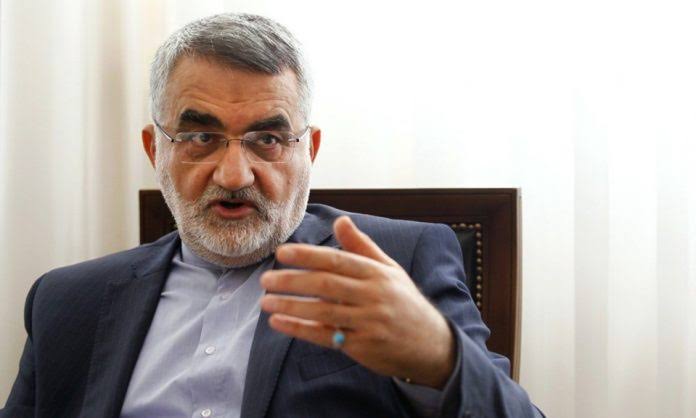
Alaeddin Boroujerdi, a member of the National Security and Foreign Policy Commission of the Iranian Parliament, stated that Iran’s decision to participate in proposed negotiations, including those initiated by Donald Trump and involving his son-in-law, is primarily aimed at demonstrating its commitment to diplomacy. “We negotiate so that it cannot be said Iran refused talks, and that if it had negotiated, a war would not have occurred,” Boroujerdi explained. He emphasized that these discussions serve to “complete the argument” for public opinion across domestic, regional, and international arenas.
US “Stick and Carrot” Policy Dismissed
Boroujerdi, referencing upcoming talks in Geneva, critiqued the United States’ long-standing “stick and carrot” policy as “worn out” and transparent. He noted that while the U.S. simultaneously exerts military pressure to project power, it also seeks diplomatic solutions due to concerns about the potential repercussions of any military confrontation.
Non-Negotiable Red Lines
Articulating Iran’s steadfast national policies, Boroujerdi affirmed that the Islamic Republic’s “red lines are completely clear, defined, and declared.” He underscored that Iran will undoubtedly preserve its nuclear capabilities, and its missile capabilities remain non-negotiable. Furthermore, Iran reiterates its support for its regional allies and partners, affirming their independence while receiving the Islamic Republic’s backing.
Preparedness Amidst Historical Precedent
The MP recalled past instances where Iran engaged sincerely in five rounds of negotiations only to face aggression on the eve of the sixth round. He suggested that Iran’s current acceptance of talks is rooted in this history, serving to unequivocally establish its diplomatic sincerity. Boroujerdi also asserted Iran’s readiness for “any option,” indicating that should adversaries “make a mistake,” the ensuing situation would be markedly different from previous encounters.
Regional Implications of Potential Conflict
Boroujerdi warned that any error made by adversaries would not lead to a conflict solely between Iran and the United States or the Zionist regime, but would instead engulf the entire region. He highlighted the Supreme Leader’s directive that American bases are designated targets, a message which has been conveyed to both the United States and the host countries in the region.
Warning to Host Nations
Clarifying Iran’s stance, Boroujerdi stated, “We have told regional countries that we are not hostile to their territory.” However, he issued a direct warning: “If America attacks Iran, we will certainly attack American bases.” He urged these host countries to carefully “weigh their options” in such a scenario. Boroujerdi concluded by stressing that repeating past mistakes would undeniably prove detrimental to those who commit them.