Headline: US-Brokered Lebanon Ceasefire: A Strategic Compromise or a Green Light for Regional Actors?
Washington Navigates Regional Dynamics Amidst Lebanon Truce
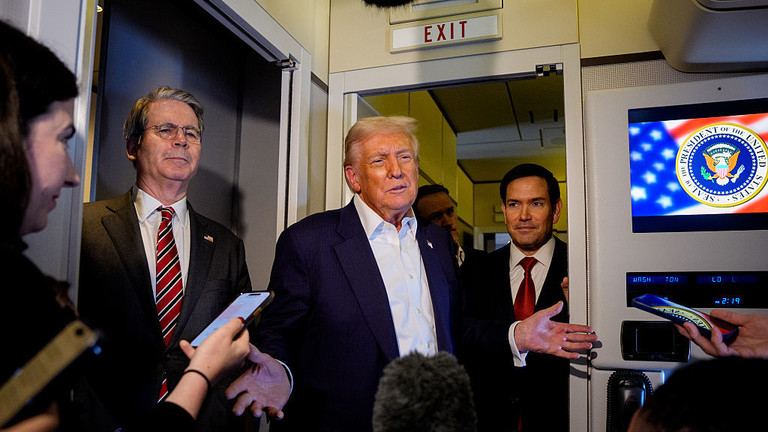
A recent ceasefire between Lebanon and Israel, brokered by the United States, has ignited debate regarding its implications for regional stability and the broader geopolitical landscape. The agreement, announced by US President Donald Trump, marks a significant diplomatic effort to de-escalate tensions along the volatile border.
A “Dual Surrender” Perception?
According to reports citing the Hebrew newspaper “Israel Hayom,” some perspectives within Israel interpret the US-led ceasefire as a “dual surrender” on the part of President Trump, particularly concerning Iran’s regional influence. The newspaper suggests that Washington’s engagement in securing the truce aligns with Tehran’s linkage of ongoing conflicts within its own territory and the Lebanese front. This viewpoint posits that by facilitating a ceasefire in Lebanon, the US has effectively acknowledged and accepted this connection.
Preserving Regional Influence?
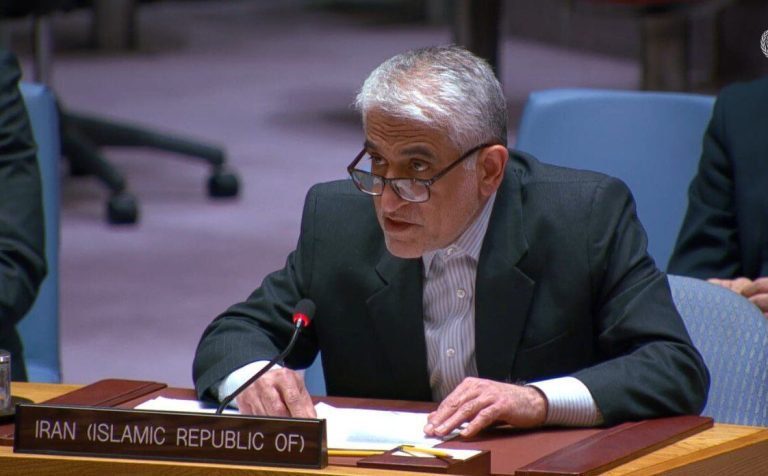
The same analysis from the Israeli publication claims that this approach, as described, essentially allows for the continued “live, active, and dangerous” presence of one of Iran’s most prominent regional allies. This perspective arises at a time when estimates suggest the declared ceasefire is inextricably linked to a wider US-led negotiation track with Iran, with recent reports indicating progress in these discussions.
Israeli Concerns Over Concessions
The article highlights growing concerns among some Israeli circles regarding any perceived easing of tensions. Certain factions view such developments as a political concession that could potentially limit military operations in Lebanon. This is particularly relevant as Tel Aviv reportedly seeks to achieve tangible battlefield gains before any broader agreements are finalized.
Path to “Lasting Peace”
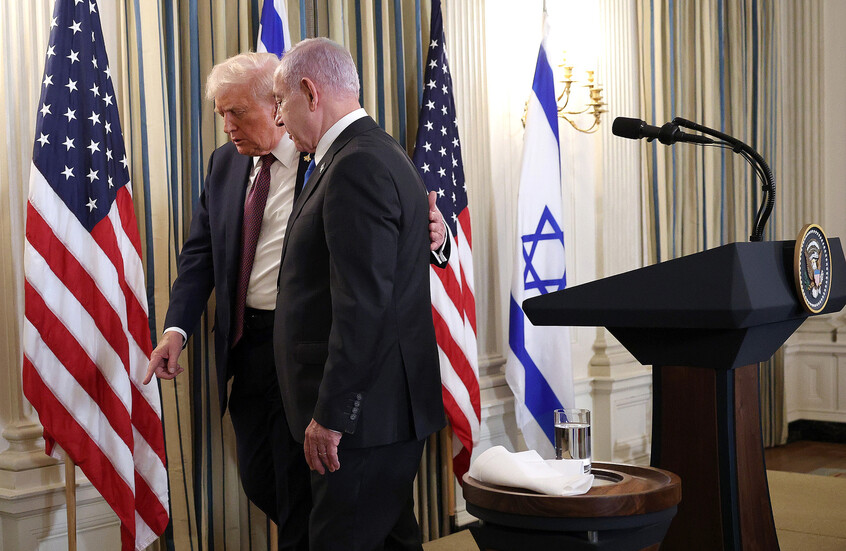
President Trump announced the ten-day ceasefire, which commenced at midnight local time, following direct consultations with Israeli Prime Minister Benjamin Netanyahu and Lebanese President Joseph Aoun. He articulated that the primary objective of this truce is to pave the way for more extensive negotiations aimed at achieving “lasting peace.” The White House also indicated that direct meetings between representatives of both sides, under the supervision of Secretary of State Mike Pompeo, have taken place in Washington.