Trump Signals “Very Good” Ties with Iran Amid Diplomatic Push, Potential Weekend Talks
Washington and Tehran Eye Next Steps After Fragile Truce
In a notable shift in rhetoric, U.S. President Donald Trump has claimed that his country is experiencing “very good” relations with Iran. This assertion comes on the heels of a recently concluded two-week ceasefire, which followed weeks of extensive aerial engagements between Washington and its allies against Tehran.
A Period of Détente and Dialogue
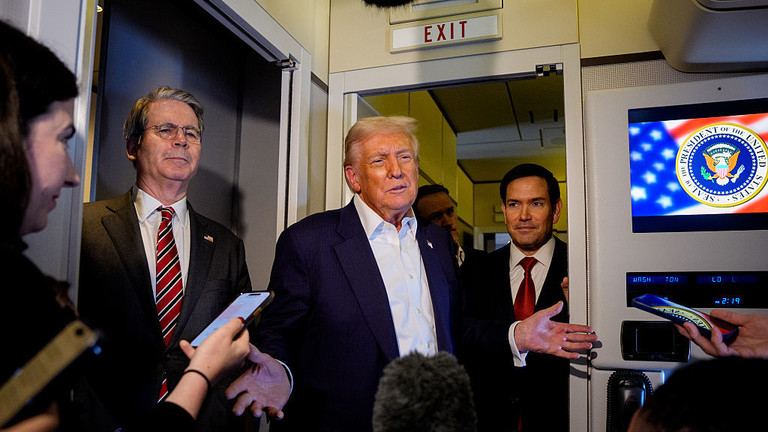
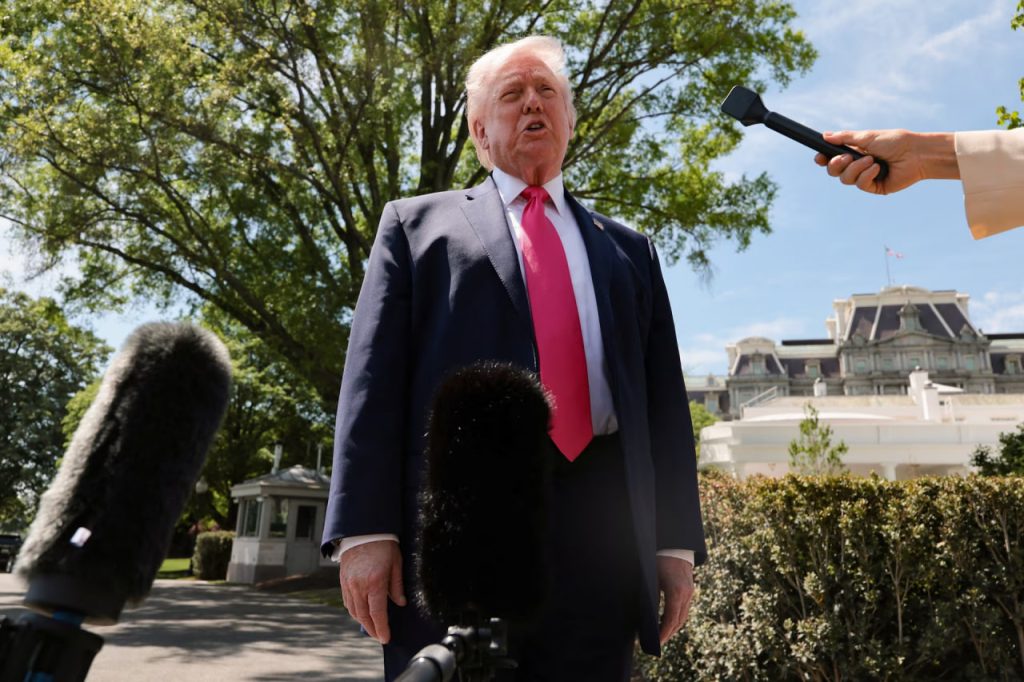
Speaking to reporters on the ninth day of the truce, which was brokered after a forty-day period of conflict, President Trump stated, “We have a very good relationship with Iran right now.” He also emphasized Iran’s commitment to nuclear non-proliferation, noting, “Iran has agreed not to have nuclear weapons.”
Addressing inquiries about the timeline for Iran’s suspension of uranium enrichment, President Trump presented a strong statement, asserting, “We have a very powerful statement that they will not have nuclear weapons beyond 20 years… there is no 20-year limitation.” These remarks are made against the backdrop of Tehran’s consistent affirmation that its nuclear program is peaceful and devoid of any intention to develop atomic weapons.
President Trump further indicated that the U.S. has “many agreements” with Iran and expressed optimism, stating, “I think something very positive is going to happen.”
Potential for Extended Truce and Diplomatic Breakthrough
With the current 14-day ceasefire set to expire on April 22nd, President Trump suggested the possibility of extending the truce to allow for ample time for parties to reach an agreement. “If we are close to an agreement, will I extend it? Yes, I will,” he stated when asked about extending the ceasefire, which could potentially be unnecessary if a deal is struck beforehand.
The President claimed that his administration is very close to reaching an agreement with Iran, asserting that Tehran has “agreed to almost everything,” including the transfer of high-enriched uranium. He also hinted at a potential trip to Islamabad, should an agreement be finalized and signed there. However, he cautioned that the continuation of hostilities would be the alternative if no accord is reached.
Next Steps in Diplomatic Engagement
While Iran has not yet commented on a second round of negotiations with Washington, President Trump indicated that the next meeting between representatives of the two countries “may take place over the weekend.”
The two nations agreed to a two-week ceasefire and the resumption of negotiations based on Iran’s ten-point proposal, following 40 days of conflict, with Pakistan playing a mediating role. Subsequent talks in Islamabad aimed at a comprehensive agreement reportedly concluded after approximately a day without tangible outcomes.
The U.S. delegation was reportedly led by Vice President Mike Pence, and included Special Envoy Steve Witkoff and Jared Kushner. The Iranian delegation was headed by Parliament Speaker Mohammad Bagher Ghalibaf and included Foreign Minister Abbas Araghchi.
Iranian officials have confirmed that Tehran rejected “exaggerated demands” from Washington concerning the Strait of Hormuz, peaceful nuclear energy, and several other issues, leading to the talks concluding without results after more than twenty hours. Reports from Reuters, citing a senior U.S. official, also indicated that Iranian representatives rejected demands for the halt of uranium enrichment and the destruction of related facilities.
Tehran has consistently reiterated its firm stance on its nuclear rights, emphasizing the peaceful nature of its program and its absolute refusal to pursue atomic weapons. Beyond nuclear matters, the same U.S. official reportedly claimed that Iran refused to fully reopen the Strait of Hormuz and to cease financial support for groups such as Hamas, Hezbollah, and the Houthis.
Iran has previously issued strong warnings of a severe response should Washington and its allies continue their attacks.